








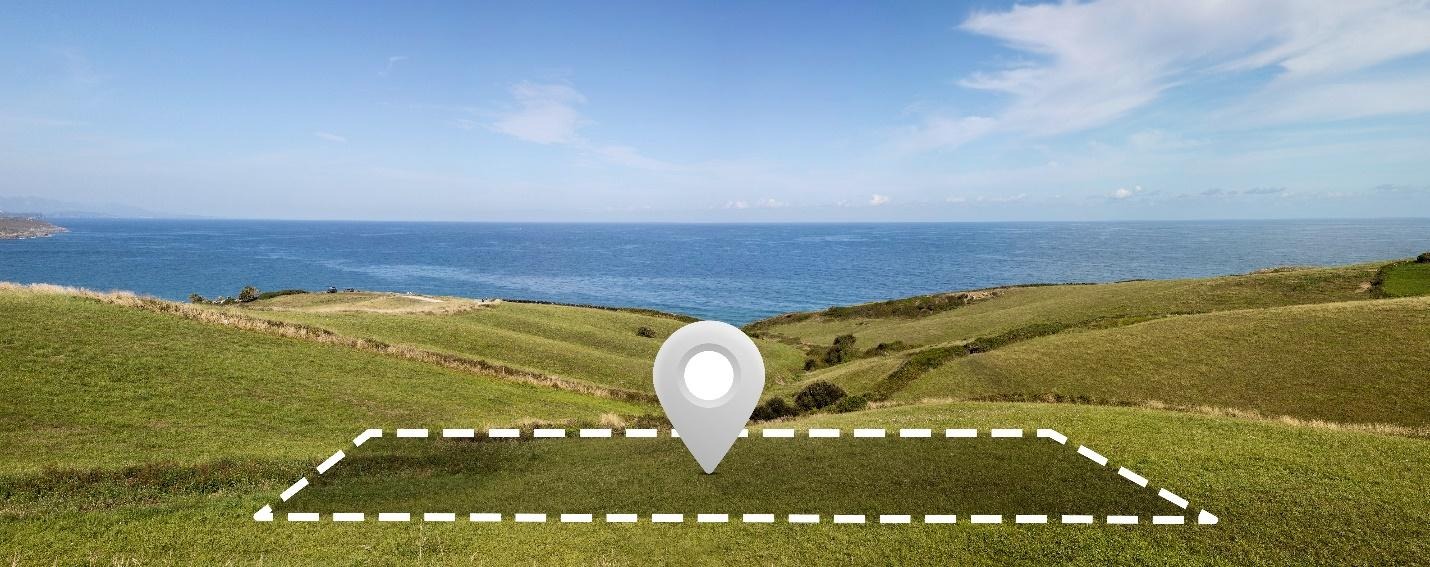
Buying land is a significant investment that requires careful planning and research. Unlike purchasing an existing home, buying a plot of land involves considerations such as zoning, access to utilities, soil quality, and long-term development potential.
Many buyers make mistakes because they overlook key details, which can lead to legal issues, construction delays, or financial losses. Understanding the process and seeking professional guidance is essential for a smooth purchase.
Working with a real estate broker and knowing what to look for before buying a plot of land can help you make a well-informed decision and protect your investment.
What to Consider Before Buying Land
Before you buy a plot of land, it’s important to research the property thoroughly. Start by examining the location. Consider proximity to schools, workplaces, transportation, and amenities, as these factors can affect future value and usability.
Next, investigate zoning laws and permitted uses. Some plots may be restricted to residential, commercial, or agricultural purposes. Ensuring the land aligns with your plans prevents complications later.
Check access to utilities such as water, electricity, sewage, and internet. If the land is undeveloped, it will require costly installations, so factor this into your budget.
Hiring a Real Estate Broker
Hiring a real estate broker is very important when purchasing land. Brokers specialize in property transactions and can provide insights about the local market, zoning regulations, and land values.
They help identify available plots that meet your specific needs and budget. Additionally, brokers assist in negotiating prices, reviewing contracts, and ensuring that all legal requirements are met.
Working with an experienced broker can save time, reduce risks, and provide peace of mind during the land-buying process.
Assess the Land’s Condition
The physical condition of the land plays a key role in its usability. Look for topography, soil quality, and drainage patterns. Land prone to flooding or with poor soil may require additional investment to make it suitable for construction or farming.
Survey the boundaries and legal description of the property. This prevents disputes with neighbors and ensures you are purchasing exactly what is advertised.
Environmental concerns, such as wetlands or protected areas, may also restrict development, so conducting an environmental assessment is a smart precaution.
Financing and Costs
Buying land often involves different financing than purchasing a home. Many lenders require larger down payments and shorter loan terms for land purchases. Understanding financing options and comparing interest rates is crucial.
Consider additional costs such as property taxes, surveying fees, permits, and potential land improvements. These expenses can significantly increase the overall investment.
Future Development Plans
Think about your long-term goals before purchasing land. Are you planning to build immediately, hold it as an investment, or develop it later?
Understanding the local development trends and infrastructure projects can impact property value. Land in growing areas may appreciate faster, while isolated locations may remain stagnant.
Legal and Regulatory Considerations
It’s essential to verify the property’s title and ensure it’s free from liens, easements, or disputes. Title insurance is often recommended to protect against unforeseen issues.
Also, check building restrictions, homeowner association rules, and local ordinances. Compliance with regulations prevents fines and legal problems in the future.


