









Englewood is known for its established neighborhoods, mature trees, and solid mid-century construction. Areas near Belleview Park, the South Broadway corridor, Oxford Heights, and communities surrounding Swedish Medical Center feature homes built primarily between the 1950s and 1970s. While these houses were constructed with durability in mind, one critical system is now reaching the end of its lifespan: the plumbing.
Many mid-century homes in Englewood are beginning to experience systemic pipe deterioration. What starts as minor leaks or fluctuating water pressure often evolves into recurring repairs, water quality issues, and hidden damage behind walls. For homeowners facing repeated plumbing concerns, the conversation often shifts toward whether a full repiping service in Englewood makes more long-term sense than continued patchwork fixes.
The Pipe Materials Common in Mid-Century Englewood Homes
To understand why repiping is becoming more common, it helps to look at the materials originally installed in these homes.
During the mid-1900s, residential plumbing systems commonly used:
- Galvanized steel supply lines
- Early-generation copper piping
- Cast iron drain lines
Galvanized steel was popular because of its corrosion-resistant zinc coating. However, that coating gradually wears away. Once exposed, the underlying steel begins to rust from the inside out. Over decades, this corrosion reduces internal pipe diameter and compromises structural integrity.
Copper piping, although longer lasting, can develop pinhole leaks after years of exposure to mineral content and fluctuating temperatures common in the Denver metro area.
Internal Corrosion and Water Flow Restriction
One of the most common signs that mid-century pipes are failing is reduced water pressure. Many Englewood homeowners assume pressure problems are related to fixtures or municipal supply. In reality, aging supply lines often restrict water flow from the inside.
As corrosion builds up within galvanized pipes, sediment accumulates and narrows the passageway. The result includes:
- Weak shower pressure
- Slow filling sinks and tubs
- Inconsistent water flow between fixtures
- Pressure drops when multiple appliances run simultaneously
Because the restriction occurs internally, surface inspections rarely reveal the problem. Repiping eliminates the buildup entirely by replacing aging supply lines with modern materials that maintain consistent diameter and flow.
Repeated Leaks Signal Systemic Failure
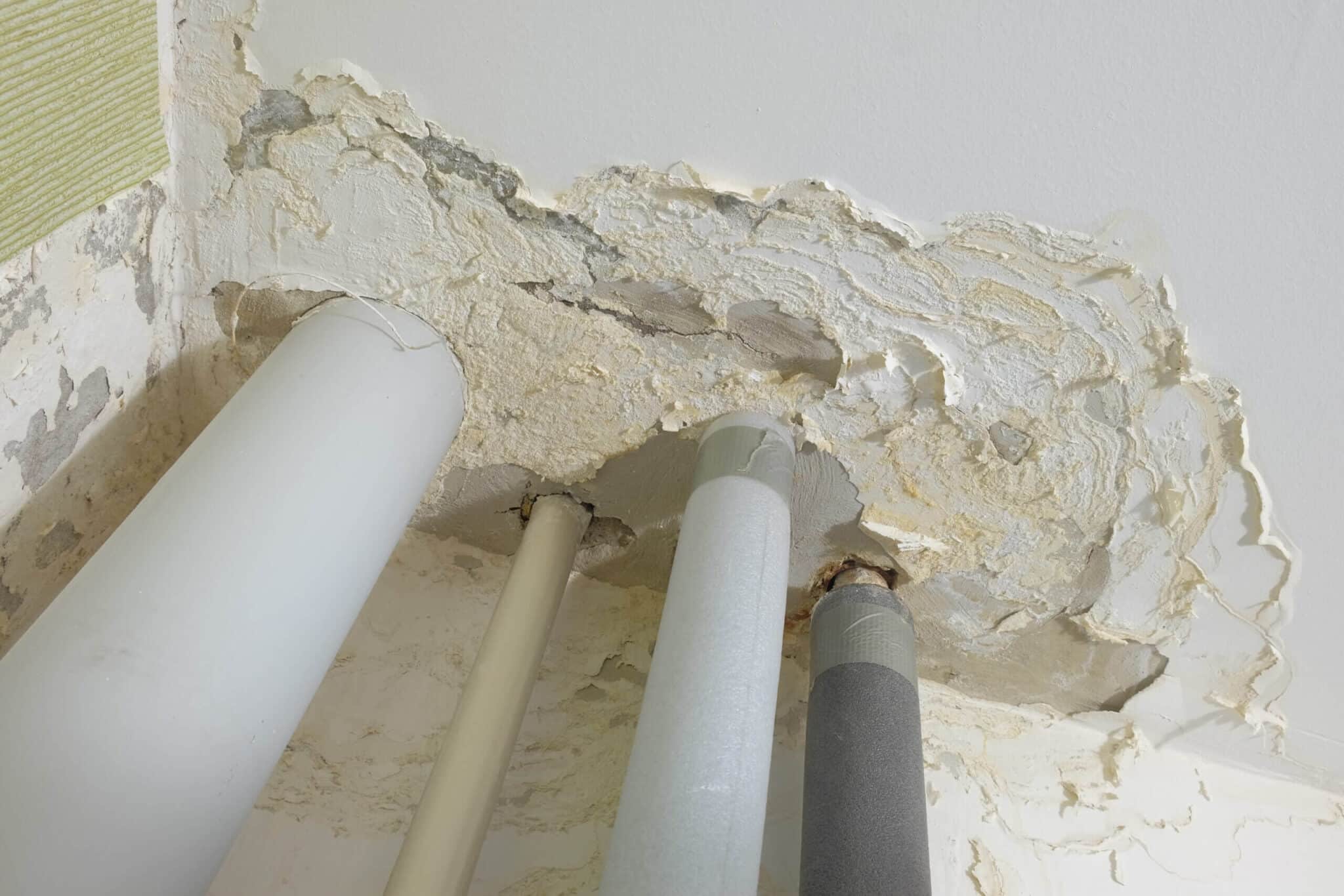
Isolated plumbing leaks can occur in any home. However, when leaks begin appearing in different areas over a short period, it often signals widespread pipe deterioration.
Mid-century homes in Englewood frequently show patterns such as:
- Leaks under sinks one year
- A slab leak the next
- Ceiling stains from upstairs lines months later
Each repair addresses one section, but the remaining pipes continue aging. Over time, repair costs accumulate. At this stage, many homeowners begin evaluating whether a full repiping service in Englewood is a more practical long-term solution.
Slab Foundations and Hidden Pipe Damage
Many homes built in Englewood during the mid-century period sit on slab foundations. Water supply lines running beneath concrete slabs are particularly vulnerable to corrosion and soil movement.
The Denver metro area is known for expansive clay soil. As soil expands and contracts with moisture changes and seasonal freeze-thaw cycles, pressure shifts around underground pipes. Over decades, this movement increases the likelihood of slab leaks.
Slab leaks can cause:
- Unexplained water bill increases
- Warm spots on floors
- Cracks in flooring materials
- Foundation moisture intrusion
When slab leaks occur repeatedly, rerouting or full repiping is often more efficient than repeated underground repairs.
Water Quality and Mineral Impact in Englewood
Water quality also plays a role in pipe longevity. Mineral content in local water contributes to scale buildup inside older pipes. While modern piping materials resist scale more effectively, galvanized and early copper lines are more susceptible.
Over time, mineral deposits accelerate corrosion and reduce pipe performance. This not only affects pressure but can also impact water clarity and taste.
Homeowners sometimes notice discolored water when turning on taps after periods of inactivity. Rust particles from deteriorating galvanized pipes are a common cause.
Insurance and Property Value Considerations
Beyond day-to-day plumbing performance, aging pipes affect property value and insurance considerations.
Insurance companies increasingly scrutinize older plumbing systems, particularly galvanized supply lines. In some cases, policies may include higher premiums or require system upgrades.
For homeowners considering selling in neighborhoods like Belleview Park or near South Broadway, a modern plumbing system can be a significant advantage during inspections. Updated piping reduces buyer concerns and simplifies transaction processes.
The Financial Equation: Repair Cycle vs Whole-Home Repiping
Homeowners often hesitate to consider repiping because it seems like a major undertaking. However, repeated spot repairs add up over time.
Consider the cumulative costs of:
- Leak detection services
- Drywall repairs
- Flooring replacement
- Mold remediation
- Plumbing labor for recurring fixes
When viewed over a five- to ten-year span, ongoing repairs may exceed the investment required for full system replacement.
Repiping provides predictable long-term performance. Modern materials such as PEX and updated copper offer improved durability, corrosion resistance, and freeze tolerance.
What a Modern Repiping Project Involves
Today’s repiping methods are less disruptive than many homeowners expect. Technicians strategically access wall cavities and reroute lines with minimal structural disturbance. In many cases, projects are completed within several days depending on home size.
Modern benefits include:
- Improved water pressure
- Balanced hot and cold distribution
- Reduced leak risk
- Enhanced water quality
- Greater energy efficiency for water heating systems
For homes built in the 1950s and 1960s, these upgrades significantly improve plumbing reliability.
Recognizing When the Time Is Right
Not every mid-century home requires immediate repiping. However, certain indicators suggest the system may be nearing the end of its functional life:
- Pipes older than fifty years
- Multiple leaks within a short timeframe
- Visible corrosion on exposed piping
- Persistent low water pressure
- Recurring slab leaks
When several of these factors are present, consultation regarding repiping service in Englewood becomes a logical next step.
Protecting the Long-Term Integrity of Englewood Homes
Mid-century homes in Englewood offer architectural charm and strong structural design. Preserving their value requires attention to the systems hidden behind walls and beneath floors.
While aging pipes may not always show immediate failure, proactive evaluation prevents unexpected water damage and structural complications. Repiping is not simply about replacing old pipes. It is about restoring reliability, improving water delivery, and protecting the home’s foundation for decades to come.
For homeowners in established Englewood neighborhoods, understanding the lifecycle of original plumbing systems ensures informed decisions that align with both property value and daily comfort.