










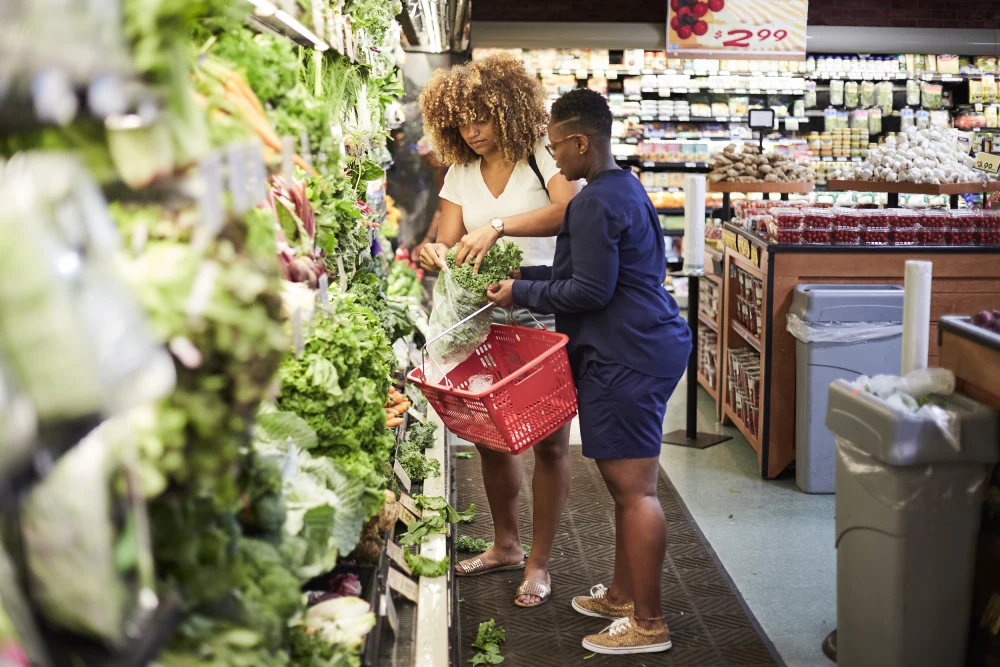
High grocery bills aren’t always caused by buying expensive foods. Small purchasing habits—shopping without a plan, replacing food already at home, choosing the wrong package size, and throwing away unused perishables—can steadily increase the total. Smarter shopping starts before you enter the store, because the easiest purchase to save money on is often the one you didn’t need.
Build the Week Around Food You Already Own
Check the refrigerator, freezer, and pantry before planning meals. USDA MyPlate specifically recommends seeing what you already have and building a weekly plan before shopping, which can reduce unnecessary purchases and help use food before it spoils.
You can pair that inventory check with everyday planning resources if you enjoy collecting household ideas, but the important step is turning what you already own into actual meals.
Plan Flexible Meals
Rigid seven-day menus can backfire when schedules change. Instead, choose several dinners that share ingredients and can be moved from one day to another.
For example, chicken, beans, rice, vegetables, tortillas, and a few seasonings can support multiple meals. Shared ingredients reduce the number of one-purpose items sitting unused at the end of the week.
Compare Value Instead of Sticker Price
A larger package isn’t automatically cheaper. Compare unit prices where available, then ask whether your household will realistically finish the larger amount before quality declines or the food spoils.
MyPlate recommends comparing unit prices when evaluating similar products. Browsing practical household content may give you additional ideas, but your own receipts are the clearest record of where grocery money is actually going.
| Shopping Habit | Hidden Cost | Better Move |
|---|---|---|
| Buying without a list | Duplicate items | Check pantry first |
| Choosing only by package price | Poor unit value | Compare unit prices |
| Overbuying fresh food | Spoilage | Match quantity to meals |
| Chasing every sale | Unplanned spending | Buy deals you will use |
Use Sales Selectively
A discount saves money only when it replaces something you would otherwise buy. Purchasing an unnecessary $8 item because it was reduced from $11 still adds $8 to the bill.
Stocking up works better for foods your household uses consistently and that store safely for a reasonable period. Pantry staples and frozen foods can be particularly practical when you have storage space.
Looking through budget-friendly inspiration may help generate meal or household ideas, but don’t let inspiration become another reason to add unplanned products to the cart.
Reduce Waste Before Chasing Cheaper Prices
Throwing away food means paying for something twice: once at checkout and again when you replace it. USDA planning guidance recommends deliberately using leftovers and balancing fresh foods with frozen and shelf-stable options.
Create one meal each week that clears vulnerable ingredients from the refrigerator. Soups, stir-fries, omelets, grain bowls, pasta dishes, and wraps can often absorb small amounts of vegetables, proteins, or cooked grains.
Where Grocery-Saving Plans Often Fail
Extreme restrictions are difficult to maintain. A shopping plan that eliminates every convenience food may look cheap on paper but fail on busy evenings, leading to takeout or another trip to the store.
Bulk buying creates another trap. The lower unit price doesn’t matter if part of the product is discarded. The best value is the amount your household can actually use, not automatically the largest package available.
When Grocery Costs Signal a Bigger Budget Problem
If food spending repeatedly leaves too little money for housing, utilities, transportation, debt obligations, or other necessities, the issue may require a broader budget review rather than another round of coupons.
The federal Consumer.gov budgeting guide explains how listing income and expenses can reveal where money is going each month. If your budget cannot cover essential needs, consider seeking reputable local financial or food-support resources rather than relying on high-cost borrowing.
Frequently Asked Questions
Is meal planning actually useful for reducing grocery costs?
It can be. Planning helps connect purchases to specific meals and makes it easier to use food already in the kitchen, which reduces duplicates and preventable waste.
Are store brands always cheaper?
Often, but not universally. Compare unit prices, package sizes, ingredients, and the amount you will actually use rather than assuming the store brand or larger package automatically offers better value.
Should I buy groceries in bulk to save money?
Bulk buying makes the most sense for frequently used foods that store well. Perishable foods bought in oversized quantities can cost more overall if part of the purchase spoils.
Make Every Purchase Have a Job
A lower grocery bill usually comes from dozens of ordinary decisions rather than one dramatic trick. Know what you already own, plan meals that share ingredients, compare real value, and buy sale items because they fit the plan.
Reviewing a few weeks of receipts can reveal your biggest recurring leaks. Fix those first, then keep the habits that produce savings without making meals unnecessarily difficult.
This article is for general informational purposes and is not a substitute for individualized financial advice.