







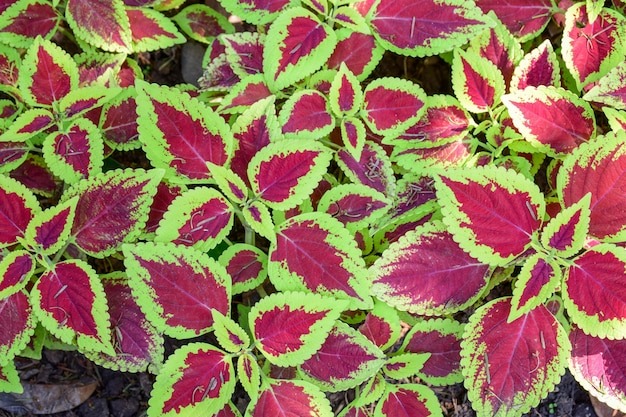
Caladiums are popular ornamental plants valued for their colorful foliage and ability to brighten shaded garden spaces. Providing the right soil conditions is one of the most important steps for encouraging healthy growth. Soil affects moisture, drainage, nutrients, and root development, so gardeners should prepare the planting area carefully. Understanding the needs of these tropical plants can help create an environment where their attractive leaves develop throughout the growing season.
1. Choose Well-Draining Soil
Good drainage is essential for healthy caladium roots. Soil that remains saturated for long periods can reduce air around the roots and contribute to root problems. Strawberry star caladium plants generally perform better when excess water can drain away efficiently.
Gardeners should avoid areas where rainwater regularly collects. If the existing soil drains poorly, adding suitable organic material can help improve its structure and drainage.
2. Maintain Consistent Moisture
Although good drainage is important, caladiums also need consistent moisture while actively growing. The soil should remain lightly moist rather than becoming extremely dry between watering sessions.
Check the soil regularly, especially during hot or dry weather. Water thoroughly when the upper layer begins to dry, while allowing excess water to escape.
3. Provide Nutrient-Rich Soil
Caladiums benefit from soil that contains adequate organic matter and nutrients. Before planting, gardeners can improve poor soil by incorporating well-decomposed organic
material. This can support soil structure and provide a better environment for roots. Strawberry star caladium plants may also benefit from appropriate fertilizer during their active growing period.
4. Aim for Slightly Acidic to Neutral Soil
Soil pH can influence how easily plants access nutrients. Caladiums generally grow well in slightly acidic to neutral soil conditions. Testing the soil before planting can provide useful information about its current pH level.
If adjustments are necessary, gardeners should make gradual changes using appropriate soil amendments. Avoid making major pH changes without testing first, because unnecessary amendments can create additional nutrient problems.
5. Avoid Heavy or Compacted Soil
Compacted soil can restrict root development and reduce proper drainage. Heavy clay soils may hold too much water, while extremely dense soil can make it difficult for roots to spread.
Loosening the planting area before introducing caladiums can improve air circulation and root growth. Adding organic matter can also help improve the texture of dense soil.
6. Refresh Soil Before Each Growing Season
Preparing the soil before a new growing season can help maintain suitable conditions. Remove weeds, old plant debris, and other unwanted material from the planting area.
Check drainage and add organic matter if the soil has become depleted or compacted. Regular soil preparation helps maintain a healthier growing environment.
Final Thoughts
The right soil can make a significant difference in caladium growth and appearance. Well-draining, consistently moist, nutrient-rich soil with suitable pH and good structure provides a strong foundation for healthy roots and colorful foliage. Gardeners should also monitor soil conditions throughout the growing season and make adjustments when necessary. With thoughtful preparation and regular care, caladiums can become a beautiful addition to gardens, containers, and shaded outdoor spaces.