








Jaw tension can build quietly during concentration, stress, driving, computer work, or sleep. Some people notice tight chewing muscles, facial aching, headaches, or discomfort around the jaw joints. Rather than assuming every episode means a serious joint disorder, start by noticing when tension occurs and whether clenching habits seem connected to the symptoms.
Notice What Your Jaw Does During the Day
The jaw muscles aren’t meant to remain tightly contracted for long periods. Repeated clenching can contribute to muscle discomfort, and NIDCR includes reducing habits such as jaw clenching among conservative measures that may be recommended for temporomandibular disorders.
A simple written log can reveal patterns you otherwise miss. Keep it separate from general online material and record useful details such as time of day, stressful tasks, chewing, morning stiffness, and whether you caught yourself pressing the teeth together.
Use Reminders to Check Jaw Position
A phone reminder or note near your workspace can prompt a quick check. The goal isn’t to repeatedly manipulate the joint. It’s simply to notice unnecessary muscle tightening and allow the jaw to return to a comfortable resting position.
Reduce Habits That Keep Muscles Working
NIDCR notes that conservative approaches may include reducing clenching, gum chewing, or nail biting. Temporary adjustments such as softer foods may also be recommended when jaw muscles or joints are uncomfortable.
This is more useful than chasing every tip encountered in general-interest reading. Jaw pain has several possible causes, so habits that reduce unnecessary loading are reasonable first observations, while persistent symptoms deserve professional evaluation.
Track Pain, Movement, and Joint Changes
Pay attention to whether discomfort affects one side or both, whether opening becomes limited, and whether chewing changes the pain. Clicking by itself isn’t automatically a disorder requiring treatment. NIDCR states that jaw-joint sounds without pain are common and generally don’t need treatment.
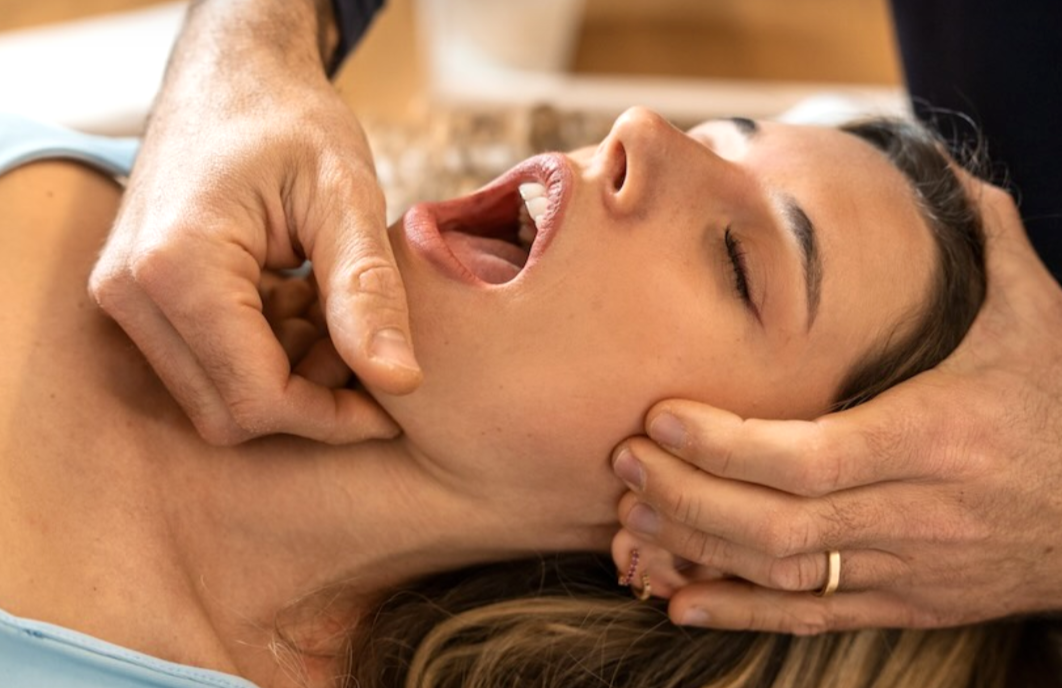
If you maintain miscellaneous digital bookmarks, don’t use unrelated sites to self-diagnose TMD. A dentist or physician may examine the head, neck, face, and jaw and may consider imaging when the clinical picture calls for it.
| Observation | What to Record | Why It Helps |
|---|---|---|
| Morning tightness | Duration and location | May reveal a recurring pattern |
| Daytime clenching | Activity occurring at the time | Helps identify triggers |
| Jaw clicking | Painful or painless | Pain changes its significance |
| Limited opening | New or worsening | May justify evaluation |
Where Self-Diagnosis Can Go Wrong
“TMD” isn’t a single diagnosis. NIDCR describes temporomandibular disorders as a group of conditions involving jaw joints, chewing muscles, and related structures. Similar jaw or facial pain can have other causes, so one symptom doesn’t identify the exact problem.
It’s also wise to be cautious about irreversible treatments offered before a clear diagnosis. NIDCR recommends conservative care first and advises avoiding treatments that permanently change the jaw, teeth, or bite when possible.
When Jaw Symptoms Need Professional Evaluation
Arrange an assessment when jaw pain is persistent, worsening, interfering with eating, or accompanied by meaningful limitation of movement. The NIDCR guide to temporomandibular disorders provides an overview of symptoms, evaluation, and conservative treatment.
Prompt care is especially appropriate after significant facial trauma, with pronounced swelling, or when the jaw suddenly becomes difficult to open or close. Fever with facial swelling or rapidly worsening pain also requires timely evaluation.
Frequently Asked Questions
Is jaw clicking always a sign of TMD?
No. Jaw-joint sounds without pain can occur normally. Clicking becomes more clinically relevant when it accompanies pain, restricted movement, locking, or other functional changes.
Can stress make jaw clenching worse?
Stress may coincide with increased muscle tension or clenching in some people. Tracking when tightening occurs can help identify whether stressful tasks, concentration, sleep, or other habits appear connected.
Should I buy a nightguard for jaw tension?
A dental appliance may be appropriate in some situations, but it isn’t automatically the answer for every jaw complaint. NIDCR notes that evidence for appliances in TMD pain is limited, so professional assessment is useful before relying on one.
Give Your Jaw More Rest
Start with observation rather than drastic treatment. Notice clenching, reduce unnecessary jaw loading, and track when pain, stiffness, or restricted movement occurs. If symptoms continue or interfere with normal function, bring that pattern to a dentist or physician who can determine whether the problem involves muscles, joints, teeth, or another source.
This article is for general informational purposes and is not a substitute for professional medical or dental advice, diagnosis, or treatment.