








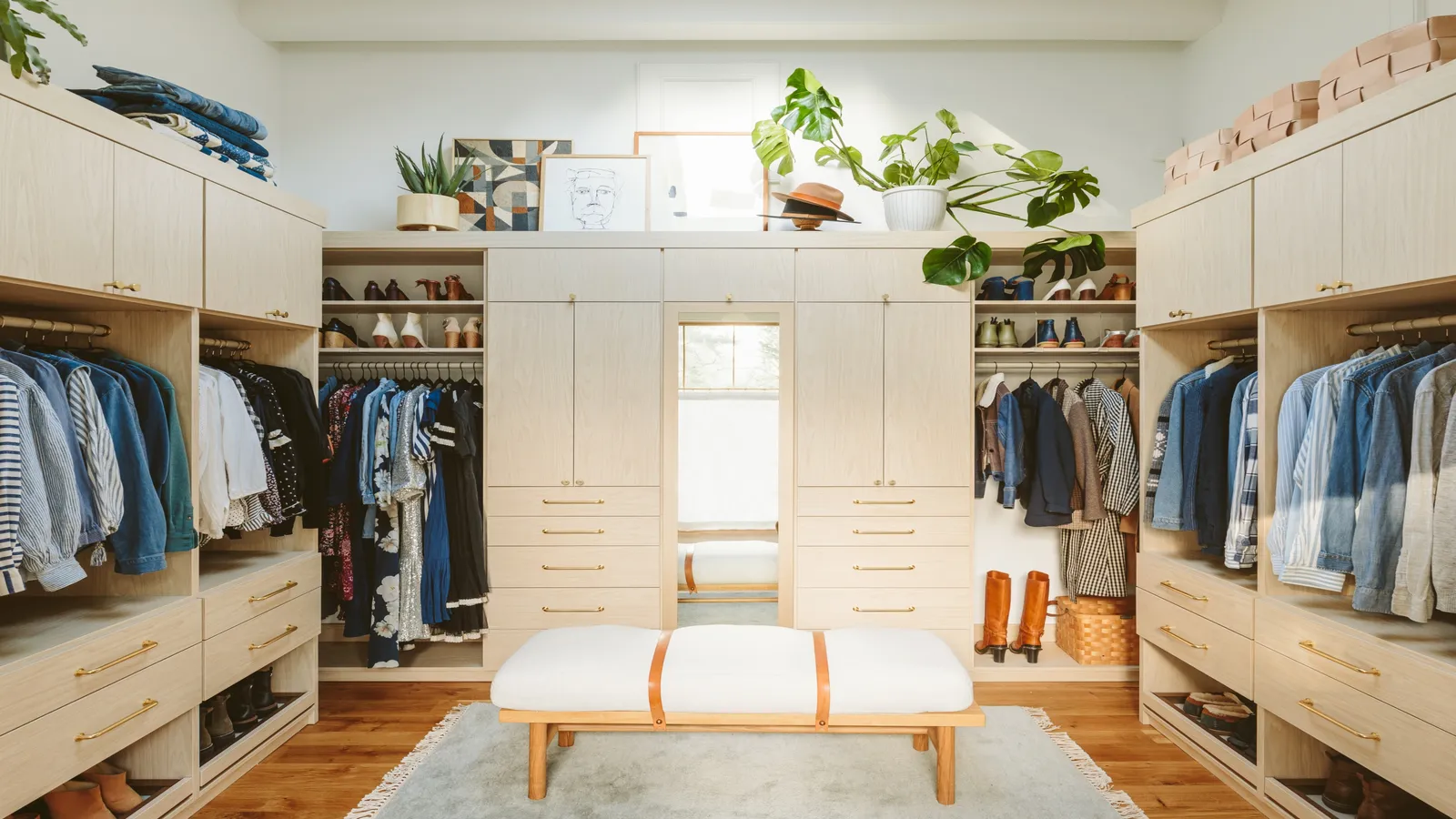
Packed drawers usually aren’t caused by a lack of organization alone. They often hold too many low-use items alongside clothes needed every day. Organizing clothing by daily use puts frequently chosen pieces in the easiest positions, moves occasional items elsewhere, and makes limited drawer space work harder without complicated storage systems.
Give Prime Space to Everyday Clothing
The easiest drawer locations should contain what you reach for most. Underwear, socks, sleepwear, basic shirts, workout clothes, or other daily items deserve more accessible space than clothing used once every few weeks.
Think of your dresser like a kitchen. Frequently used tools stay within easy reach, while specialty items can sit in less convenient areas.
Examples from wearable style collections may help you notice which clothing categories repeatedly form the base of everyday outfits and therefore deserve more accessible storage.
Sort by Frequency Before Clothing Type
Traditional organization often starts with categories, but frequency can be more useful when space is tight. Separate clothes into daily, weekly, occasional, and seasonal groups first.
After that, organize each group by type. This two-step system prevents rarely worn pieces from occupying the best drawer positions merely because they belong to the same category.
| Use Level | Best Storage Area | Typical Items |
|---|---|---|
| Daily | Top/easy drawer | Underwear, socks |
| Weekly | Main drawers | Tees, casual bottoms |
| Occasional | Lower drawer | Specialty clothing |
| Seasonal | Separate storage | Off-season garments |
Fold So You Can See What You Own
Stacking shirts in tall piles hides the lower items and encourages you to wear whatever stays on top. Vertical or file-style folding can improve visibility when the fabric and drawer depth allow it.
Visibility matters because forgotten clothing becomes dead storage. You may even buy duplicates because you can’t see what is already buried inside the drawer.
Browsing coordinated fashion looks can help when deciding which frequently worn items deserve priority, especially if certain basics repeatedly support multiple combinations.
Move Seasonal Clothing Out of Active Drawers
Heavy sweaters don’t need prime drawer space during hot months, and lightweight summer pieces don’t need to crowd winter essentials. Rotating by season immediately reduces pressure on everyday storage.
Use labeled containers, under-bed storage, upper shelves, or another clean, dry area for pieces that are temporarily out of rotation.
A glance at seasonal styling ideas can also make transitions easier because it encourages you to think about which garments are genuinely relevant for the coming months rather than keeping every season active at once.
Where Drawer Organization Often Fails
Buying organizers before reducing volume is a common mistake. Dividers can separate clothing neatly, but they can’t create meaningful space when a drawer simply contains more garments than it can hold.
Overly complicated systems fail too. If putting away laundry requires folding each item into an exact shape and sorting it into several tiny categories, the system may collapse after a busy week. Easy maintenance matters more than showroom-perfect drawers.
Frequently Asked Questions
Is vertical folding better for clothing drawers?
It can be useful because more items remain visible at once, reducing the need to dig through piles. However, the best folding method depends on drawer dimensions, garment thickness, and how easily you can maintain the arrangement.
What clothes should go in the top drawer?
Use the easiest drawer for items you reach for most frequently. For many people that includes underwear and socks, but your routine may make everyday shirts, workout gear, or another category a better choice.
How do I stop drawers from becoming overcrowded again?
Set a simple capacity rule. When a drawer becomes difficult to close or clothing must be compressed to fit, review the category before adding anything new.
Organize Around the Way You Dress
Drawer space becomes easier to manage when storage follows real behavior. Keep daily pieces visible and accessible, move seasonal clothing elsewhere, and reduce categories that consistently overflow. A simple system you can maintain after every laundry day will outperform a complicated one that looks perfect only once.