









In today’s competitive residential and commercial construction landscape, surfacing solutions for custom builders have become a defining factor in project success. Builders are no longer just selecting materials based on availability they are curating surfaces that balance design flexibility, durability, sustainability, and long-term performance. Leading manufacturers like Hyundai L&C are shaping this evolution by offering advanced surfacing systems that meet the demands of modern architecture.
From luxury homes to multi-unit developments, surfacing decisions directly impact aesthetics, maintenance requirements, and client satisfaction. As we move deeper into 2026, builders must rethink how surface materials contribute to both design storytelling and functional resilience.
Why Surfacing Solutions for Custom Builders Matter More Than Ever
The expectations placed on custom builders have shifted significantly. Clients today are more informed, design-driven, and sustainability-conscious. This means every material selection carries weight beyond appearance.
High-performance surfacing solutions for custom builders influence:
- Long-term durability and maintenance costs
- Interior and exterior design cohesion
- Property value and resale appeal
- Installation efficiency and labor optimization
- Environmental footprint and material sourcing transparency
For builders, surfaces are no longer just finishes they are integrated systems that define the identity of a space.
The Evolution of Surfacing Solutions for Custom Builders in 2026
The surfacing industry has undergone rapid transformation due to advancements in material science, fabrication technology, and architectural trends.
1. Engineered Surfaces Over Natural Constraints
While natural stone remains popular, engineered surfaces are gaining dominance due to their consistency and performance. Materials such as quartz composites and solid surfaces provide:
- Uniform color distribution
- Reduced porosity and staining risk
- Greater design predictability
- Easier fabrication for complex layouts
This shift allows builders to execute high-end designs without the unpredictability of natural variation.
2. Seamless Integration in Modern Design
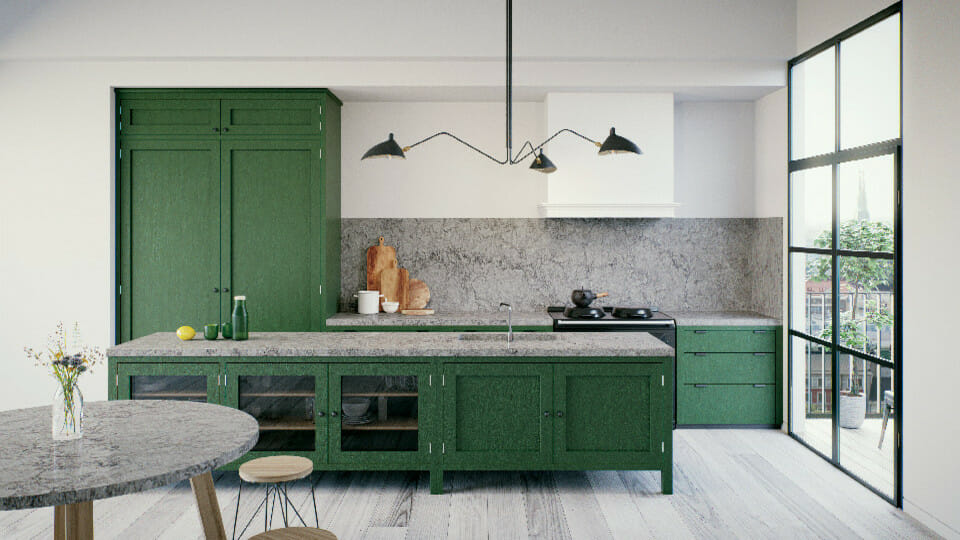
One of the strongest trends in surfacing solutions for custom builders is seamless integration. Large-format slabs, minimal joint lines, and continuous surface flow are now expected in premium projects.
This is especially important in:
- Kitchen countertops and islands
- Bathroom wall cladding
- Commercial reception areas
- Feature walls and fireplace surrounds
Seamless surfacing enhances visual continuity and simplifies cleaning and maintenance.
3. High-Performance Hybrid Materials
Hybrid materials that combine natural minerals with advanced resins are becoming a preferred choice. These solutions deliver:
- High impact resistance
- Heat and scratch durability
- UV stability for indoor-outdoor applications
- Enhanced structural integrity
Manufacturers such as Hyundai L&C are at the forefront of developing these next-generation surfaces tailored for modern construction needs.
Design Flexibility and Customization Potential
Custom builders prioritize flexibility, and surfacing materials now reflect that demand.
Expanded Color and Texture Libraries
Modern surfacing systems offer extensive palettes that mimic:
- Natural marble and granite
- Industrial concrete finishes
- Soft matte and suede textures
- High-gloss contemporary aesthetics
This variety allows builders to match surfaces with architectural intent more precisely.
Fabrication Freedom
Advanced surfacing materials support:
- Waterfall edges
- Integrated sinks
- Bookmatched slabs
- Curved installations
- Large uninterrupted spans
This level of flexibility enables more creative architectural expression without compromising structural performance.
Performance Factors That Define Quality Surfacing
When selecting surfacing solutions for custom builders, performance is just as important as appearance.
Durability Under Real-World Conditions
High-quality surfaces must withstand:
- Daily wear and abrasion
- Impact from heavy use
- Moisture and humidity exposure
- Temperature fluctuations
This is particularly critical in kitchens, bathrooms, and high-traffic commercial environments.
Low Maintenance Requirements
Clients increasingly demand low-maintenance surfaces. Engineered materials deliver:
- Non-porous surfaces that resist staining
- Easy cleaning with mild solutions
- Reduced need for sealing or refinishing
- Long-term appearance retention
For builders, this translates into fewer post-installation issues and higher client satisfaction.
Sustainability in Surfacing Solutions for Custom Builders
Sustainability is no longer optional it is a core requirement in modern construction.
Eco-Conscious Manufacturing Practices
Leading manufacturers are focusing on:
- Reduced carbon emissions during production
- Recycling of raw materials
- Water-efficient fabrication processes
- Waste minimization strategies
Long Lifecycle Value
Sustainable surfacing is not only about materials used but also about longevity. Durable surfaces reduce the need for replacement, lowering overall environmental impact.
Indoor Environmental Quality
Low-VOC materials contribute to healthier indoor environments, an increasingly important factor in residential and commercial builds.
How Custom Builders Can Choose the Right Surfacing Partner
Selecting the right supplier is critical to project success. Builders should evaluate surfacing partners based on more than just product catalogs.
Key Evaluation Criteria
- Product Consistency – Uniform quality across batches
- Technical Support – Installation guidance and fabrication training
- Design Range – Availability of diverse finishes and formats
- Supply Reliability – Ability to meet project timelines
- Innovation Pipeline – Ongoing material development
Companies like Hyundai L&C provide structured support systems that help builders streamline sourcing and execution.
Installation Best Practices for Long-Term Performance
Even the best materials can underperform if not installed correctly. Builders must ensure installation teams follow best practices.
Pre-Installation Planning
- Accurate templating and measurement
- Substrate preparation and leveling
- Environmental condition checks
Precision Fabrication
- CNC cutting for accuracy
- Edge finishing consistency
- Seam alignment optimization
On-Site Execution
- Proper adhesive selection
- Expansion gap considerations
- Seam sealing and finishing techniques
Attention to detail during installation ensures that surfacing systems perform as intended over time.
ROI Benefits of High-Quality Surfacing Solutions
Investing in premium surfacing delivers measurable returns for custom builders.
Increased Property Value
High-end surfaces elevate perceived property value, making homes and commercial spaces more marketable.
Reduced Maintenance Costs
Durable materials reduce long-term repair and maintenance expenses.
Stronger Client Satisfaction
Satisfied clients are more likely to:
- Recommend the builder
- Provide positive reviews
- Return for future projects
In competitive markets, reputation is a critical asset.
Future Outlook: Surfacing Innovation Beyond 2026
The future of surfacing is moving toward smarter, more adaptive materials. Emerging innovations include:
- Antimicrobial surface technology
- Self-healing coatings
- Ultra-thin lightweight slabs
- Digital surface customization
- AI-assisted design matching tools
As these technologies evolve, surfacing solutions for custom builders will become even more integrated into architectural planning rather than treated as a finishing step.
Final Thoughts
The role of surfacing in construction has expanded far beyond aesthetics. Today, it is a critical component of performance, sustainability, and design identity. For custom builders, selecting the right materials and partners determines not only project outcomes but also long-term brand reputation.
With innovators like Hyundai L&C advancing material science and design capabilities, builders now have access to surfacing systems that align with the demands of modern architecture. By prioritizing quality, flexibility, and sustainability, professionals can deliver spaces that stand out in both function and form.
In a market driven by precision and expectation, investing in the right surfacing solutions for custom builders is no longer optional it is a strategic advantage.