







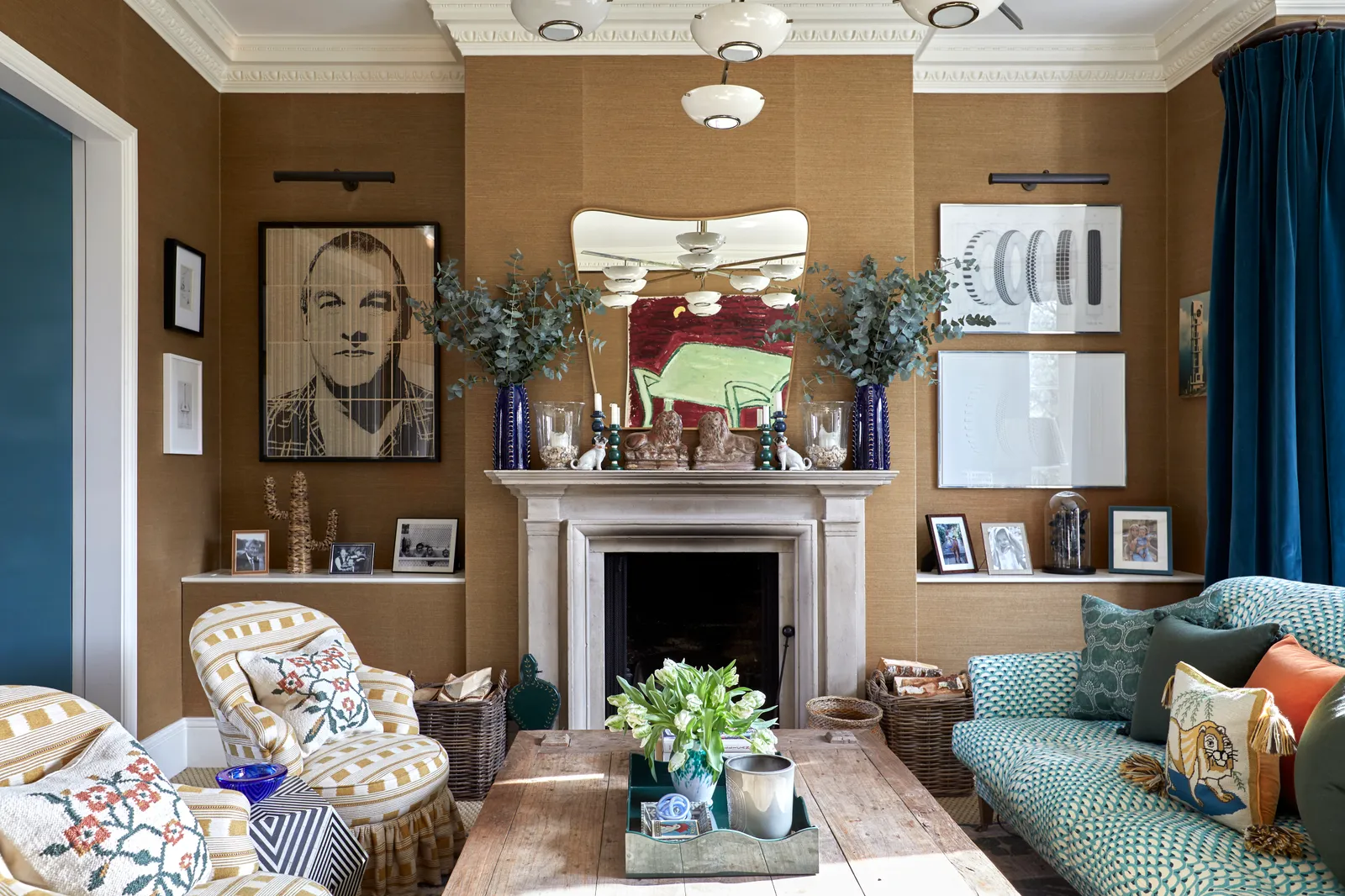
Mismatched furniture doesn’t automatically make a room look poorly planned. In many homes, pieces are collected at different times, inherited, moved between rooms, or chosen for practical reasons. Cohesion comes from creating visual connections between those pieces. Shared colors, repeated materials, balanced proportions, and carefully placed textiles can make varied furniture feel intentionally collected.
Find One Feature the Pieces Share
Look for existing similarities before buying anything new. Two unrelated chairs may both contain warm wood. A modern sofa and vintage table might share dark metal details.
Once you identify that connection, repeat it elsewhere. Design references covering coordinated interior spaces can illustrate how repeating a finish or tone makes different furniture styles feel like parts of the same room.
Work With Similarity, Not Exact Matching
Trying to make mismatched furniture look identical often creates awkward results. Different pieces should retain some individuality.
Instead, repeat smaller details. Add cushions that echo a chair color, use matching lamps on separate tables, or introduce similar wood tones through trays, frames, and accessories.
Use Textiles as a Visual Bridge
Rugs, cushions, throws, and curtains are among the easiest tools for connecting unrelated furniture. A rug containing colors from several major pieces can visually pull the seating arrangement together.
Soft furnishings can also reduce contrast between formal and casual pieces. Looking through cozy room inspiration may offer ideas for using layered fabric and softer surfaces to make mixed furniture feel comfortable rather than accidental.
| Furniture Difference | Connecting Element | Example |
|---|---|---|
| Mixed wood tones | Shared textile color | Neutral rug |
| Modern and vintage | Repeated metal finish | Brass lamps |
| Different upholstery | Coordinating cushions | Related tones |
| Unequal visual weight | Balanced placement | Opposing side tables |
Balance Visual Weight Around the Room
A large dark cabinet feels heavier than a slim pale chair, even if their physical sizes aren’t dramatically different. If all the visually heavy furniture sits on one side, the room may feel unbalanced.
Move substantial pieces around the space and use lighter objects between them. Inspiration from outdoor furnishing layouts can also demonstrate how different furniture shapes can coexist when weight and spacing are distributed evenly.
Create Relationships Through Placement
Two mismatched chairs may appear unrelated when positioned separately. Place them opposite a sofa with a shared side table between them, and they begin functioning as a pair.
Furniture arrangement can therefore create cohesion before colors or accessories are changed. Sometimes the floor plan is the actual problem.
Give the Room One Consistent Background
Walls, flooring, and large rugs can provide a calm base for furniture with different personalities. Neutral doesn’t have to mean plain white; warm beige, muted gray, soft green, or another restrained shade can work.
Avoid introducing several competing wall colors simply to coordinate with individual pieces. A consistent background lets the furniture differences look deliberate instead of fragmented.
What People Often Get Wrong
The biggest misconception is that cohesion requires purchasing a matching furniture set. Matching sets can be convenient, but they aren’t the only way to create order and may sometimes make a room feel overly uniform.
Another mistake is adding decorative accessories to hide every mismatch. More objects can increase visual confusion. Start with arrangement, repeated colors, and textiles. Only then add accessories where they serve a clear purpose.
Frequently Asked Questions
Can modern and vintage furniture work together?
Yes. Their contrast can be attractive when the room includes connecting elements such as repeated colors, wood tones, metals, or fabrics.
How many wood finishes can one room handle?
Several can work together when their undertones aren’t fighting strongly. Repeating each major wood tone at least once elsewhere can make the mixture feel more deliberate.
Should mismatched chairs have matching cushions?
They don’t have to. Cushions can share a color family, pattern detail, or fabric texture without being identical.
Build Connections Before Replacing Furniture
A room filled with furniture from different periods or sources can still feel settled. Before replacing useful pieces, look for ways to connect them through placement, color, materials, and textiles. The best mixed rooms don’t disguise every difference. They give those differences enough common ground to feel intentional.