










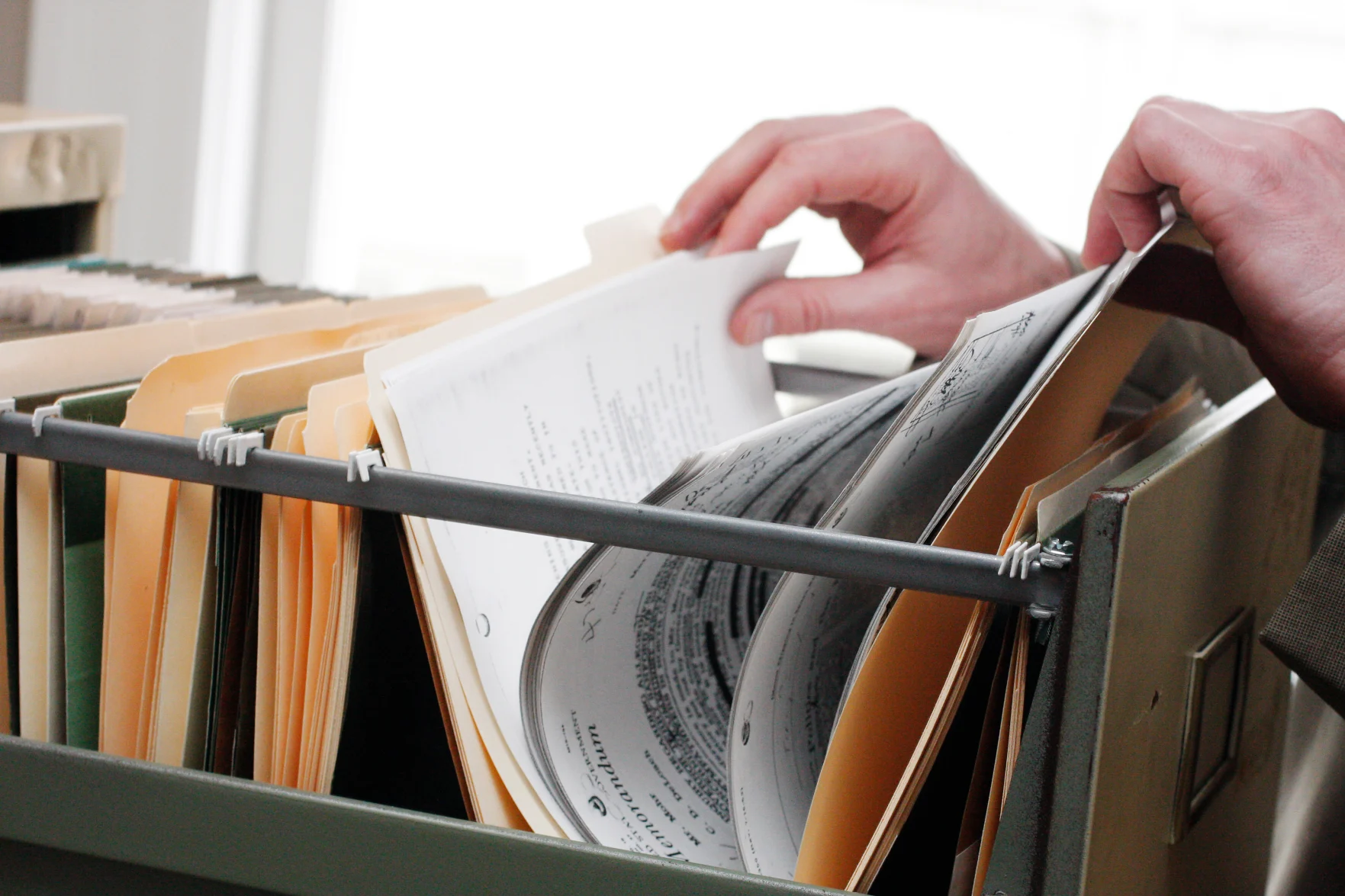
Poor tax organization turns filing season into a search for receipts, forms, account statements, and records that should already be together. A better system doesn’t need complicated software. Creating a consistent place for tax-related documents throughout the year can reduce missing information, simplify preparation, and make conversations with a tax professional much more productive.
Separate Tax Records From Everyday Paperwork
Start by creating one dedicated physical folder, digital folder, or secure document system for the current tax year. Avoid mixing tax documents with general household bills, warranties, personal notes, or unrelated work files.
Create a few broad categories rather than dozens of tiny folders. Income, deductible expenses, property records, charitable documentation, and prior-year returns are useful examples when they apply to your situation. A simple personal organization framework can help reinforce the habit of putting documents where they belong immediately.
Use Consistent File Names
Digital files become difficult to search when names such as “scan001” or “document-final” pile up. Include the year, document type, and relevant organization or account in the filename.
Consistency matters more than creating a perfect naming formula.
Capture Documents When They Arrive
Waiting until filing season to organize an entire year is where most of the frustration begins. Save important tax documents as soon as they arrive by mail, email, employer portal, bank account, brokerage account, or other relevant source.
If you receive paper receipts that may matter for your records, consider scanning them and storing the copy securely. General recordkeeping habits work best when the process is quick enough to maintain every week rather than becoming a major monthly project.
| Record Type | Organization Method | Main Benefit |
|---|---|---|
| Income forms | One annual folder | Easier completeness check |
| Receipts | Category subfolders | Faster expense review |
| Prior returns | Separate archive | Useful historical reference |
| Supporting statements | Match to category | Keeps evidence together |
Keep Supporting Records With the Related Item
A number entered on a return may have supporting paperwork behind it. Keeping the underlying receipt, statement, invoice, or other relevant record with the related category can make later review easier.
Don’t assume a bank transaction description will always be enough to explain what a payment was for. Clear document management practices can reduce uncertainty when you’re reviewing records months after the original transaction.
Where Tax Organization Often Goes Wrong
One common mistake is keeping everything without any structure. A folder containing hundreds of unrelated documents still creates a sorting project at filing time.
The opposite problem is throwing records away too quickly because they don’t seem important in the moment. Record-retention needs vary by document and tax situation, so follow applicable IRS guidance and advice from a qualified tax professional rather than relying on a universal rule.
When Should You Get Professional Tax Help?
Consider professional help when records are missing, transactions are difficult to classify, multiple businesses or income sources are involved, prior filings may contain errors, or you’re uncertain about tax treatment. Complex property sales, investments, business deductions, and notices from a tax authority can also justify specialized assistance.
The IRS publishes official information about recordkeeping requirements. Use current IRS instructions and professional advice for decisions specific to your return.
Frequently Asked Questions
What tax documents should I keep together?
Keep documents that support information reported on your return, such as applicable income forms, receipts, statements, and other records. The exact documents depend on your tax circumstances and the items you report.
Is digital tax record storage acceptable?
Digital organization can be convenient when records are readable, secure, backed up, and retained as required. Some situations may involve special documentation requirements, so check current IRS guidance relevant to your records.
When should I start organizing taxes?
Organization works best throughout the year. Saving each relevant document when it arrives prevents filing season from becoming a large sorting job and makes it easier to identify missing records before deadlines approach.
Make Filing Season a Review, Not a Search
The most useful tax system is one you’ll actually maintain. Create a small number of clear categories, save documents as they arrive, keep supporting records together, and review the folder periodically. Better organization won’t determine how a tax rule applies to you, but it can give you and your preparer cleaner information to work from.
This article is for general informational purposes and is not a substitute for professional tax, financial, or legal advice.