










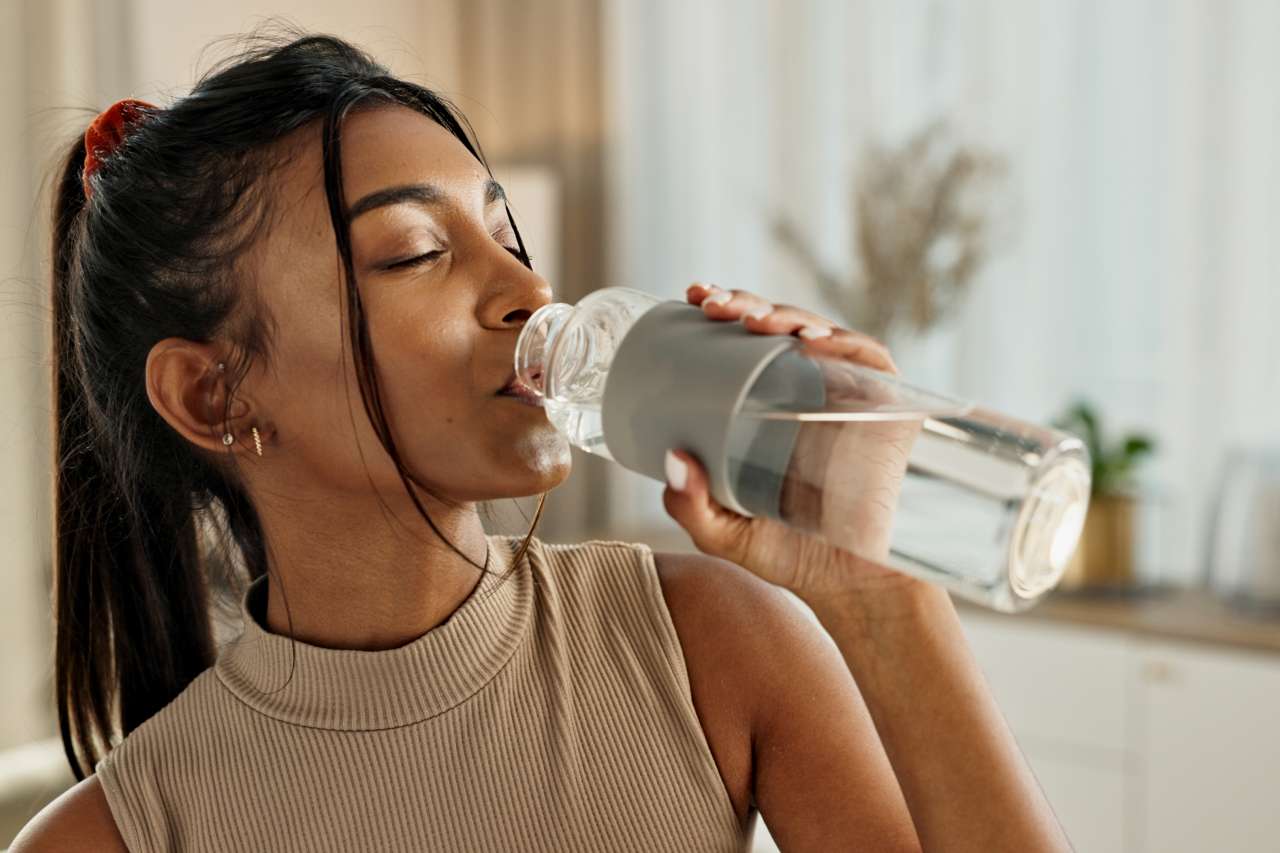
A poor hydration routine often starts with something ordinary: getting busy, forgetting to drink, relying heavily on sweetened beverages, or waiting until late in the day to think about fluids.
Regular fluid intake supports normal body functions, but hydration needs aren’t identical for everyone. Weather, activity, illness, pregnancy, diet, and other factors can change how much fluid a person needs.
Why Hydration Affects Daily Function
Water helps regulate body temperature, cushion joints, protect tissues, and remove waste. Dehydration can also contribute to problems such as unclear thinking, mood changes, constipation, and overheating, according to the CDC.
Fluid comes from more than plain water. Other beverages and water-rich foods can contribute, although frequently choosing drinks loaded with added sugar may create different nutritional concerns.
Don’t Wait for One Perfect Daily Number
A fixed intake target copied from another person may not match your situation. Fluid needs vary, and people typically need more during hot weather, increased physical activity, fever, vomiting, or diarrhea.
Turn Drinking Into a Routine
Hydration is easier when connected to existing habits. Drinking with meals, keeping a refillable bottle nearby, or having water after routine activities can reduce the need to remember from scratch every few hours.
People browsing everyday hydration resources may encounter rigid schedules and challenges. Those can provide reminders, but a routine should remain flexible enough to respond to heat, exercise, illness, and personal needs.
Look at the Drinks Filling Your Day
Coffee, tea, milk, and other beverages may contribute fluid, but the rest of their nutritional content still matters. Frequent sugary drinks can add substantial sugar and calories without being necessary for hydration.
Some daily routine guides focus on habit cues and consistency. A simple strategy is to notice the situations where drinking is repeatedly forgotten—long meetings, driving, outdoor work, or busy afternoons—and place an easy fluid option there.
| Situation | Useful Habit | What to Avoid |
|---|---|---|
| Morning | Drink with breakfast | Starting dehydrated |
| Desk work | Keep water nearby | Forgetting for hours |
| Exercise | Plan fluids around activity | Ignoring heavy sweating |
| Hot weather | Drink more regularly | Waiting for strong thirst |
Food Can Contribute to Hydration Too
Fruits, vegetables, soups, yogurt, and other water-containing foods can contribute to total fluid intake. That doesn’t mean food alone will always cover fluid needs, particularly during heat or prolonged activity.
General healthy lifestyle content may offer ways to organize daily habits, but hydration should remain responsive rather than rigid. Someone who is sweating heavily may need a different approach from a person spending the day indoors.
Where Hydration Advice Becomes Misleading
More water isn’t automatically better. Forcing excessive fluid simply to hit an arbitrary target can be unnecessary and, in extreme circumstances, harmful.
Urine color, thirst, activity, weather, diet, and medical circumstances can provide context, but none should be treated as a perfect standalone test. People with kidney, heart, endocrine, or other conditions may receive specific fluid instructions from their healthcare team.
When Dehydration Needs Medical Attention
Seek medical help for severe or worsening dehydration symptoms, especially confusion, fainting, unusual drowsiness, severe weakness, inability to keep fluids down, or markedly reduced urination.
Vomiting or diarrhea that prevents adequate fluid replacement can also require medical evaluation. Infants, older adults, pregnant people, and individuals with certain illnesses may become vulnerable to fluid problems more quickly.
Frequently Asked Questions
Does coffee count toward fluid intake?
Coffee can contribute fluid, although caffeine and added sugar or cream should be considered separately. Plain water remains an easy calorie-free option for regular hydration.
Should I drink only when I’m thirsty?
Thirst is useful, but routines can help when busy schedules make people ignore it. Fluid needs also rise during heat, exercise, fever, vomiting, and diarrhea.
Can drinking water improve energy?
Correcting dehydration may help when low energy is related to inadequate fluid intake. Persistent fatigue can have many other causes and shouldn’t automatically be blamed on hydration.
Make Fluids Easier to Remember
A useful hydration routine doesn’t need complicated tracking. Keep fluids accessible, pair drinking with activities you already repeat, and increase attention when heat, exercise, or illness raises fluid loss.
If thirst, weakness, dizziness, urination changes, or other symptoms become persistent or concerning, medical evaluation is more appropriate than trying to solve everything by drinking progressively larger amounts.
This article is for general informational purposes and is not a substitute for professional medical advice, diagnosis, or treatment.