








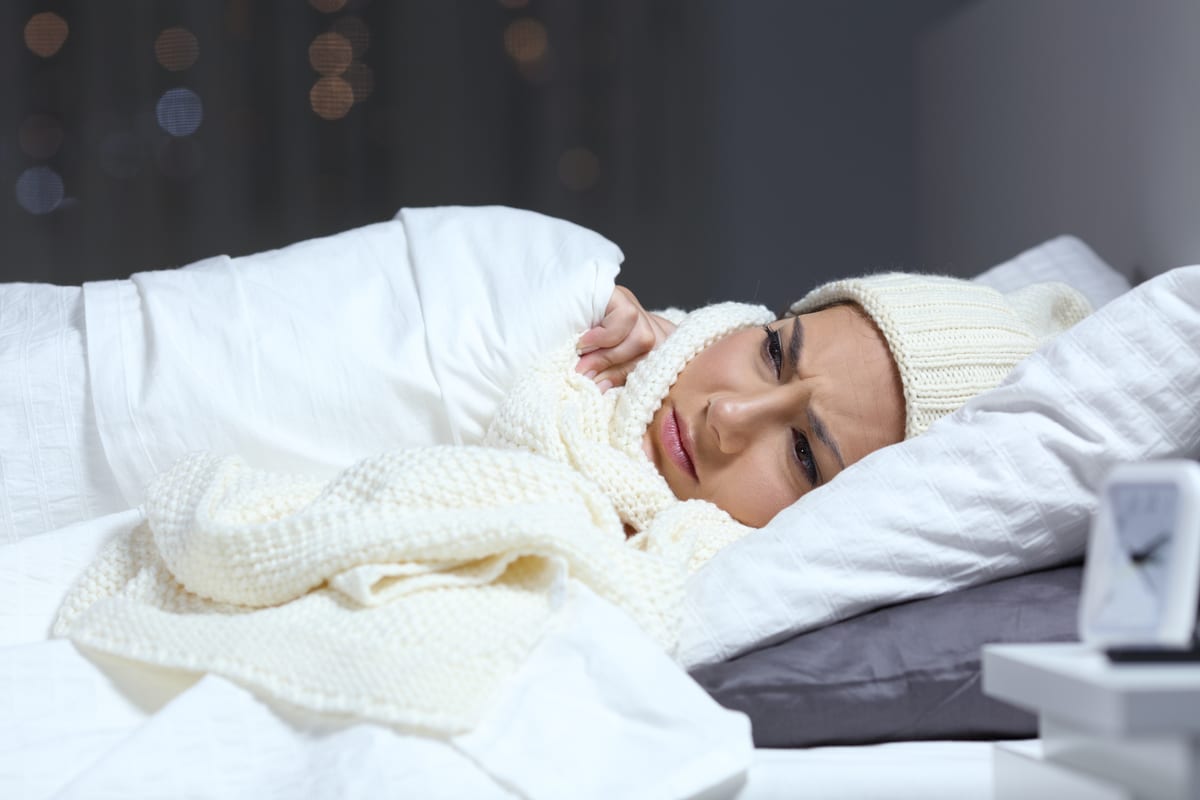
A cool bedroom can support comfortable sleep, but colder isn’t automatically better. If you’re shivering, curling tightly for warmth, or repeatedly waking because your hands, feet, or bedding feel cold, the environment has moved beyond comfortable.
The better approach is controlled warmth: remove drafts, use adjustable layers, and warm the sleeping space without creating a stuffy, overheated bed.
Why Can a Bedroom Feel Too Cold for Sleep?
Cold discomfort keeps drawing your attention back to your body. Instead of settling, you may tense your muscles, pull blankets tightly around yourself, or keep changing positions.
The cause may be straightforward: insufficient heating, drafts, thin bedding, damp clothing, or cold surfaces around the bed. Addressing those factors is generally more practical than piling on enough heavy bedding to make temperature control difficult later.
Warm the Space in Small Steps
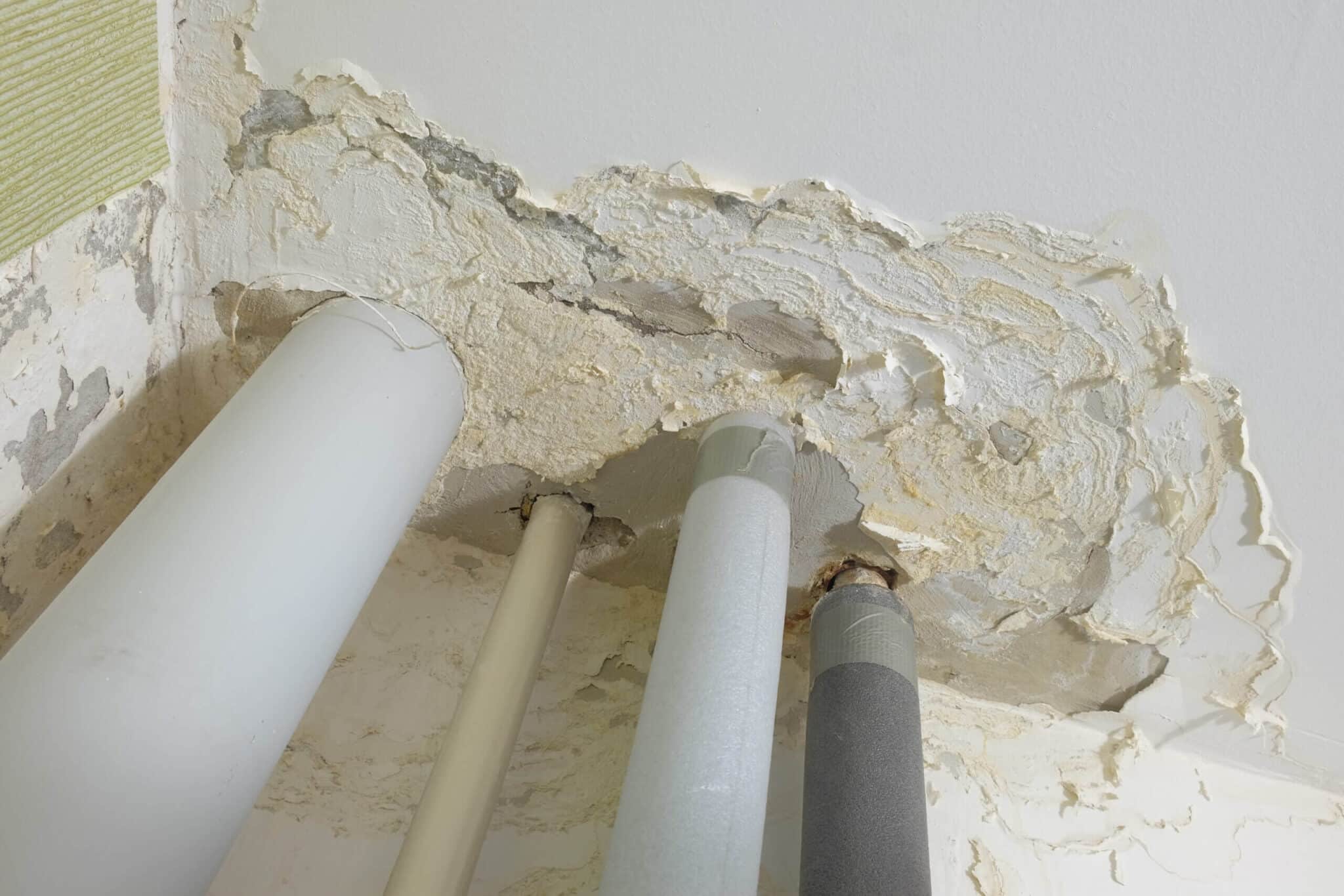
Look for drafts around windows and doors and check whether air is blowing directly toward the bed. Modest room heating combined with appropriate sleepwear often creates a more stable environment than making the bed intensely hot.
While reading everyday health resources, keep the distinction between comfort advice and medical guidance clear. Feeling chilly in an ordinary bedroom isn’t the same as developing a cold-related medical emergency.
If you use heating equipment, follow its manufacturer instructions and keep ordinary fire-safety precautions in mind.
Layer Bedding Instead of Trapping Too Much Heat
Several manageable layers give you more control than one excessively heavy covering. You can remove a layer if you become warm during the night without suddenly becoming cold again.
The same test-and-adjust approach applies to ideas found in general self-care reading. Change the factor most likely to be causing discomfort before buying an entirely new sleep setup.
| Cold-Sleep Problem | Useful Adjustment | Watch For |
|---|---|---|
| Cold feet | Comfortable socks | Excess sweating |
| Draft across bed | Block or redirect airflow | Stuffy room |
| Thin covers | Add a light layer | Too much trapped heat |
| Cold room overall | Adjust heating moderately | Overheating |
Dry sleepwear matters as well. Damp clothing can increase heat loss and feel much colder than dry fabric.
Know When Cold Becomes More Than Discomfort
Older adults, babies, and people exposed to inadequate heating can be more vulnerable to excessive cold. CDC guidance notes that hypothermia can occur when the body loses heat faster than it can replace it and lists confusion, drowsiness, slurred speech, and uncontrolled shivering among warning signs.
General health and lifestyle material can help with everyday comfort ideas, but suspected hypothermia requires medical guidance. The CDC hypothermia guidance provides recognized information on warning signs and prevention.
Why More Blankets Can Backfire
Stacking heavy covers may solve the first ten minutes of feeling cold but create overheating later. Sweat can then make bedding damp, leaving you uncomfortable again when temperatures shift.
Aim for warmth you can adjust. Fix obvious drafts, choose dry layers, and increase warmth gradually. If you repeatedly alternate between sweating and feeling chilled, pay attention to whether illness, medication, fever, or another factor might be involved rather than assuming the room is solely responsible.
Signs That Shouldn’t Wait
Extreme cold exposure becomes a medical concern if someone develops confusion, marked drowsiness, slurred speech, poor coordination, uncontrolled shivering, or other signs of hypothermia. Hypothermia is a medical emergency.
Seek urgent medical help for suspected hypothermia. Babies, frail older adults, and anyone unable to warm themselves normally may need faster attention when exposed to an inadequately heated environment.
Frequently Asked Questions
Is a colder bedroom always healthier for sleep?
No. Sleep guidance favors a comfortably cool bedroom, not a room so cold that you shiver, tense up, or repeatedly wake. Personal comfort still matters.
How can I warm my bed without becoming too hot?
Use several lighter layers instead of relying on one extremely heavy blanket. That lets you adjust warmth during the night as your comfort changes.
Why do my feet feel cold even under blankets?
Feet can remain uncomfortable if socks, bedding, room temperature, or circulation-related factors are involved. Persistent unusual coldness, pain, color changes, or numbness should be discussed with a healthcare professional.
Aim for Comfortable Warmth
The useful target isn’t maximum warmth. It’s a bedroom where your body can relax without shivering and without waking later because heat has become trapped.
Make changes gradually, favor adjustable layers, and correct obvious drafts. If cold sensations remain unusual or severe despite a reasonable environment, consider whether the problem needs medical evaluation rather than another blanket.
This article is for general informational purposes and is not a substitute for professional medical advice, diagnosis, or treatment.