








Recovery after childbirth isn’t a race back to a previous fitness level. Postpartum body recovery involves healing, adapting to physical changes, managing fatigue, and gradually rebuilding strength in a way that fits the delivery and any complications.
Movement can be valuable, but more exercise isn’t automatically better. Early progress may mean comfortable walking, easier daily movement, or reconnecting with weakened muscles.
Recovery Comes Before Performance
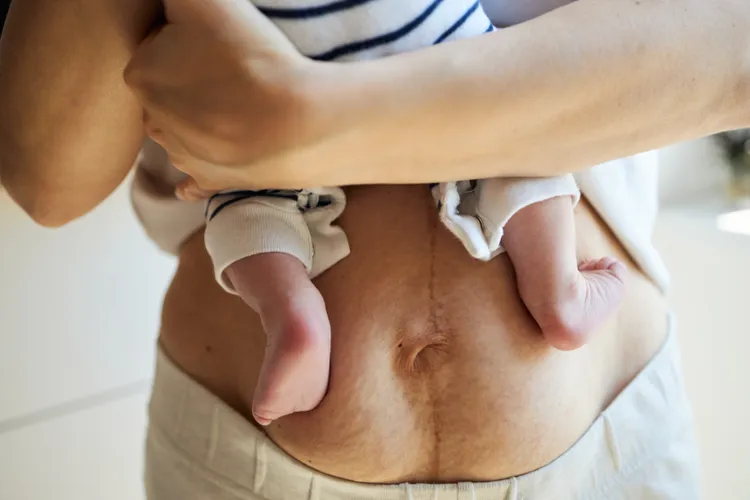
Pregnancy and birth place substantial demands on the abdominal wall, pelvic floor, joints, and surrounding tissues. Cesarean delivery also involves surgical recovery, while vaginal birth may involve tears, swelling, or pelvic floor symptoms.
That means two people at the same number of weeks postpartum may be ready for very different activities. Your delivery, symptoms, prior fitness, sleep, and medical history all affect what feels appropriate.
ACOG advises that exercise can be resumed gradually when medically safe, depending on the type of delivery and whether medical or surgical complications occurred.
Start With Movement You Can Recover From
Early activity may involve gentle walking, comfortable mobility, breathing work, and other low-demand movements rather than intense workouts. The goal is to finish feeling capable of recovering, not depleted for the rest of the day.
Keeping personal recovery notes may help you notice whether activity is followed by unusual pain, increased bleeding, pelvic pressure, or marked fatigue. General online material shouldn’t replace postpartum medical guidance.
Progress One Variable at a Time
Instead of simultaneously increasing duration, speed, resistance, and frequency, change one element and observe how your body responds. This makes setbacks easier to interpret.
Sleep disruption and newborn care also matter. A workout that felt easy before pregnancy can feel dramatically different when recovery and sleep loss are added.
Rebuild the Pelvic Floor and Core Thoughtfully
The pelvic floor and abdominal muscles work together during movement, lifting, coughing, and daily tasks. Rebuilding control may be more useful initially than pushing immediately toward heavy resistance.
People browsing general health perspectives may encounter conflicting rules about postpartum core exercises. Individual symptoms matter more than blanket timelines, especially after complications or surgery.
ACOG notes that pelvic floor exercises may begin in the postpartum period, while the appropriate return to broader exercise depends on medical safety and individual circumstances.
| Recovery Focus | Gentle Starting Point | Watch For |
|---|---|---|
| Walking tolerance | Short easy walks | Increased pain |
| Pelvic floor | Controlled contractions | Pressure or discomfort |
| Core control | Gentle activation | Bulging or pain |
| Strength | Gradual resistance | Symptoms afterward |
Let Symptoms Guide Progression
A routine can look easy on paper yet still exceed your current capacity. Pay attention not only during exercise but later that day and the following morning.
A simple daily recovery record can help connect activity with fatigue, discomfort, bleeding changes, or pelvic symptoms. If symptoms repeatedly worsen after a particular movement, stop pushing through it and discuss the pattern with an appropriate clinician.
Where Postpartum Exercise Advice Goes Wrong
One common mistake is treating a calendar date as automatic clearance for every activity. Healing doesn’t occur at exactly the same speed for everyone, and returning to walking is different from returning to running, heavy lifting, or high-impact training.
The opposite mistake is assuming all movement must be avoided until recovery feels complete. For many people without complications, gradual activity can be appropriate. The key is matching movement to medical guidance and current symptoms.
Signs That Should Prompt Medical Advice
Contact your maternity care professional if activity is followed by increasing pain, concerning bleeding, worsening pelvic pressure, incision problems, dizziness, or symptoms that don’t settle with rest. New urinary or bowel problems also deserve discussion.
Seek urgent medical attention for heavy bleeding, severe shortness of breath, chest pain, fainting, seizures, severe headache with concerning symptoms, or one-sided leg swelling or pain. Postpartum complications can sometimes become serious quickly.
Frequently Asked Questions
How quickly should postpartum strength return?
There isn’t one recovery schedule that applies to everyone. Delivery type, complications, sleep, previous activity, pelvic floor symptoms, and healing all influence progress. Focus on tolerable function rather than comparing yourself with a fixed timeline.
Is walking enough when starting postpartum exercise?
Walking can be a useful early form of movement when it feels comfortable and your clinician hasn’t advised restrictions. Distance and pace can increase gradually as recovery allows.
What if exercise causes pelvic heaviness or leaking?
Pelvic pressure, heaviness, or urinary leakage shouldn’t simply be ignored. Reduce the provoking activity and discuss persistent symptoms with a clinician or appropriately trained pelvic floor professional.
Rebuild Capacity Instead of Chasing Speed
Postpartum strength is better rebuilt in layers: comfortable daily movement first, then greater endurance, control, and resistance as your body tolerates them. Avoid measuring recovery against somebody else’s schedule.
If an activity consistently worsens pain, bleeding, pressure, leakage, or fatigue, treat that response as useful information and get appropriate medical guidance before progressing.
This article is for general informational purposes and is not a substitute for professional medical advice, diagnosis, or treatment.