










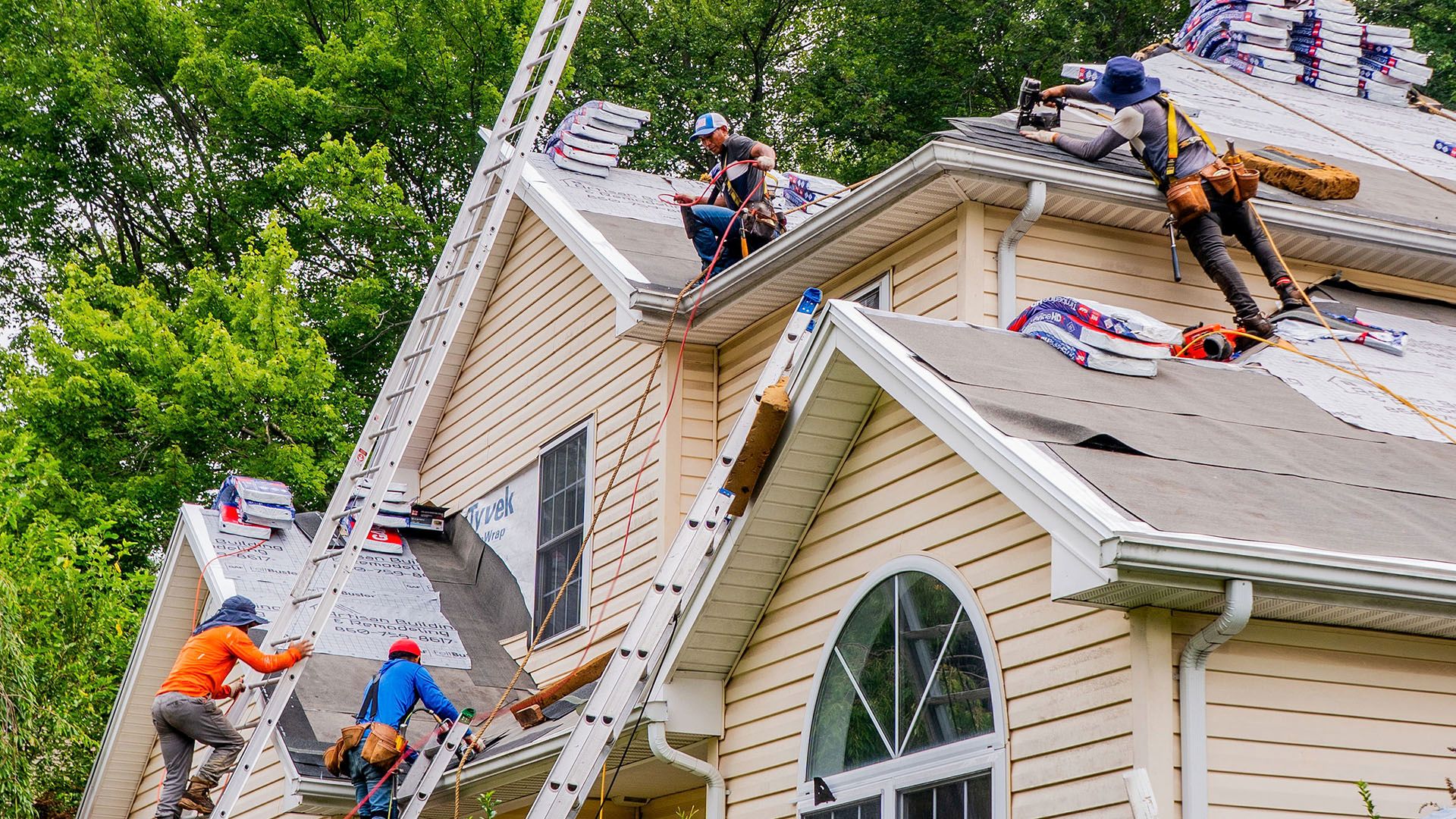
Roof maintenance problems are easy to overlook because most occupants rarely see the roof closely. Damage may develop around flashing, drainage areas, roof penetrations, sealants, or surface materials long before water appears indoors. Regular inspections give property owners a chance to correct deterioration before heavy rain, wind, or seasonal storms expose the weakest areas.
Roof Problems Often Develop Gradually
Many roof failures are not sudden events. Materials age, sealants crack, drainage becomes restricted, fasteners loosen, and small openings can slowly become more vulnerable.
Owners comparing rental property resources as part of wider property planning should give roof maintenance its own schedule. Waiting for ceiling stains means the roof has already allowed water beyond its intended barrier.
Pay Attention to High-Risk Areas
Roof edges, flashing, penetrations, drains, gutters, seams, and transitions between materials deserve close inspection. These locations often experience movement or direct water exposure.
The exact inspection method depends on roof design. Access should also be handled safely, especially on steep, high, wet, or damaged surfaces.
Keep Drainage Paths Working
Rainwater needs a predictable route away from the building. Blocked gutters, clogged drains, standing debris, and poorly functioning downspouts can keep water near vulnerable roof areas longer than intended.
Drainage planning belongs beside other housing management ideas because one blocked path can affect roofing, exterior walls, landscaping, and sometimes interior spaces below.
| Roof Area | Possible Warning Sign | Maintenance Action |
|---|---|---|
| Flashing | Gaps or movement | Inspect attachment |
| Gutters | Debris buildup | Clear drainage |
| Surface | Cracks or damage | Evaluate repair |
| Penetrations | Failed sealant | Reseal as appropriate |
Inspect Before and After Severe Weather
A pre-season inspection can identify problems before storms arrive. After severe weather, another inspection may reveal displaced materials, impact damage, clogged drainage, or changes around roof edges and penetrations.
Roof work also connects naturally with broader exterior improvement resources because exterior components rarely deteriorate in isolation. Coordinating roof, siding, drainage, deck, and exterior-envelope checks can make maintenance rounds more efficient.
Track Repairs Instead of Starting From Zero
Keep records showing where leaks, patches, sealant repairs, drainage problems, and material replacement occurred. Photographs can make those records more useful by showing whether deterioration is expanding over time.
Repeated repairs in the same roof area deserve additional attention. The issue may involve drainage, flashing design, aging materials, movement, or another condition that individual patches are not fully solving.
Where Roof Maintenance Commonly Fails
One mistake is checking only after an interior leak appears. Another is assuming that a newer roof requires no attention until it reaches a certain age.
Even sound roofing can be affected by debris, weather, penetrations added by other contractors, drainage problems, or damaged flashing. Property owners also shouldn’t attempt unsafe roof access simply to complete an inspection. Ground-level observations, qualified professionals, photographs, and scheduled maintenance can provide a safer approach when roof conditions are difficult to assess.
Frequently Asked Questions
How often should a property roof be inspected?
Inspection schedules depend on roof type, building conditions, climate, manufacturer guidance, and previous problems. Many owners include regular inspections in preventive maintenance and arrange additional checks after severe storms or whenever new leaks or exterior damage appear.
What are common early signs of roof trouble?
Possible signs include damaged materials, loose flashing, deteriorated sealant, clogged drainage, standing water, ceiling stains, damp insulation, or recurring leaks near the same location. Some problems remain hidden until a closer inspection is performed.
Should gutters be checked during roof maintenance?
Yes. Gutters and other drainage components help move water away from vulnerable areas. Blockages, loose sections, damaged downspouts, or poor drainage can contribute to water problems even when the primary roof surface remains mostly intact.
Inspect Before the Weather Tests the Roof
Roof maintenance should happen before the next storm reveals what has been neglected. Build inspections into the property’s maintenance calendar, keep drainage routes clear, record previous repairs, and investigate recurring problem areas. Finding deterioration during a planned inspection gives you more control than discovering it through water dripping from a ceiling.