







Fruit tea can taste bright, fragrant, and refreshing without a spoonful of sugar. Fruit-flavored tea bags can bring plenty of character to an ordinary cup through berries, citrus, apples, peaches, and tropical fruits. For anyone trying to reduce added sugar, they provide an easy way to enjoy different flavors without making sweetness the main focus.
Taste depends on more than sweetness alone. Ingredients, brewing time, water temperature, and serving style can all change the final cup. With a few simple adjustments, unsweetened fruit tea can become enjoyable without relying on added sugar.
Can Fruit Tea Really Be Enjoyed Without Sugar?
Yes, fruit tea can be flavorful and enjoyable without added sugar. A balanced blend of fruit, herbs, flowers, or spices can create a satisfying cup when brewed properly.
Fruit-flavored tea bags with aromatic ingredients can provide plenty of character without sweeteners. Fresh fruit, ice, and the right steeping time can further enhance the taste. If you usually drink sweet beverages, unsweetened fruit tea may take some getting used to. Naturally fruity blends can make the transition easier while keeping the drink refreshing and flavorful.
Unsweetened Fruit Tea Flavor
Fruit tea gets its flavor from ingredients such as dried fruit, fruit extracts, herbs, flowers, and natural flavorings. Common additions include hibiscus, rose hips, apple pieces, orange peel, berries, and peach. These ingredients create distinctive aromas and tart or fruity notes that make the tea interesting without added sweetness.
Aroma Creates a Sweet Impression
Smell has a strong influence on how a drink tastes. Strong peach, strawberry, or mango aromas can make tea seem sweeter because the fragrance creates an expectation of sweetness. Floral ingredients can also soften sharp fruit notes and make the overall cup feel more balanced.
Good blends do not need to taste sugary to feel satisfying. Fruity aroma, acidity, and mild natural sweetness can work together to create a fuller drinking experience.
Why Some Fruit Teas Taste Better Unsweetened
Not every fruit tea has the same flavor profile. Some blends are naturally mellow, while others have stronger sour or tangy notes. Hibiscus, for example, can create a noticeable tartness, while citrus ingredients may produce a sharper finish.
Brewing technique can influence these flavors significantly. Leaving a tea bag in hot water for too long can make the drink overly strong. Using the recommended steeping time helps preserve the balance between fruit, herbs, and other ingredients.
Simple Ways to Improve Unsweetened Fruit Tea
Small adjustments can make a noticeable difference when sugar is left out.
Choose Naturally Sweet-Tasting Fruits
Fruit blends featuring certain ingredients can taste smoother without sweetener. Consider options containing:
- Apple: Adds a mild fruity character with a soft aroma.
- Peach: Creates a smooth and fragrant flavor that works well hot or cold.
- Strawberry: Brings a familiar berry aroma and gentle fruitiness.
- Mango: Adds a tropical character that can make the tea feel richer.
- Berry blends: Combine several fruity notes for a more complex cup.
The ingredient list can help identify blends that suit a preference for naturally sweet-smelling flavors.
Adjust the Steeping Time
Stronger brewing does not always produce better flavor. If the tea tastes too sour, bitter, or intense, reduce the steeping time slightly. Shorter infusion times can create a lighter cup where the fruit notes remain noticeable without becoming overpowering. Water temperature also matters. Following the brewing instructions on the package can help preserve the intended balance of fruit, herbs, and other ingredients.
Try It Over Ice
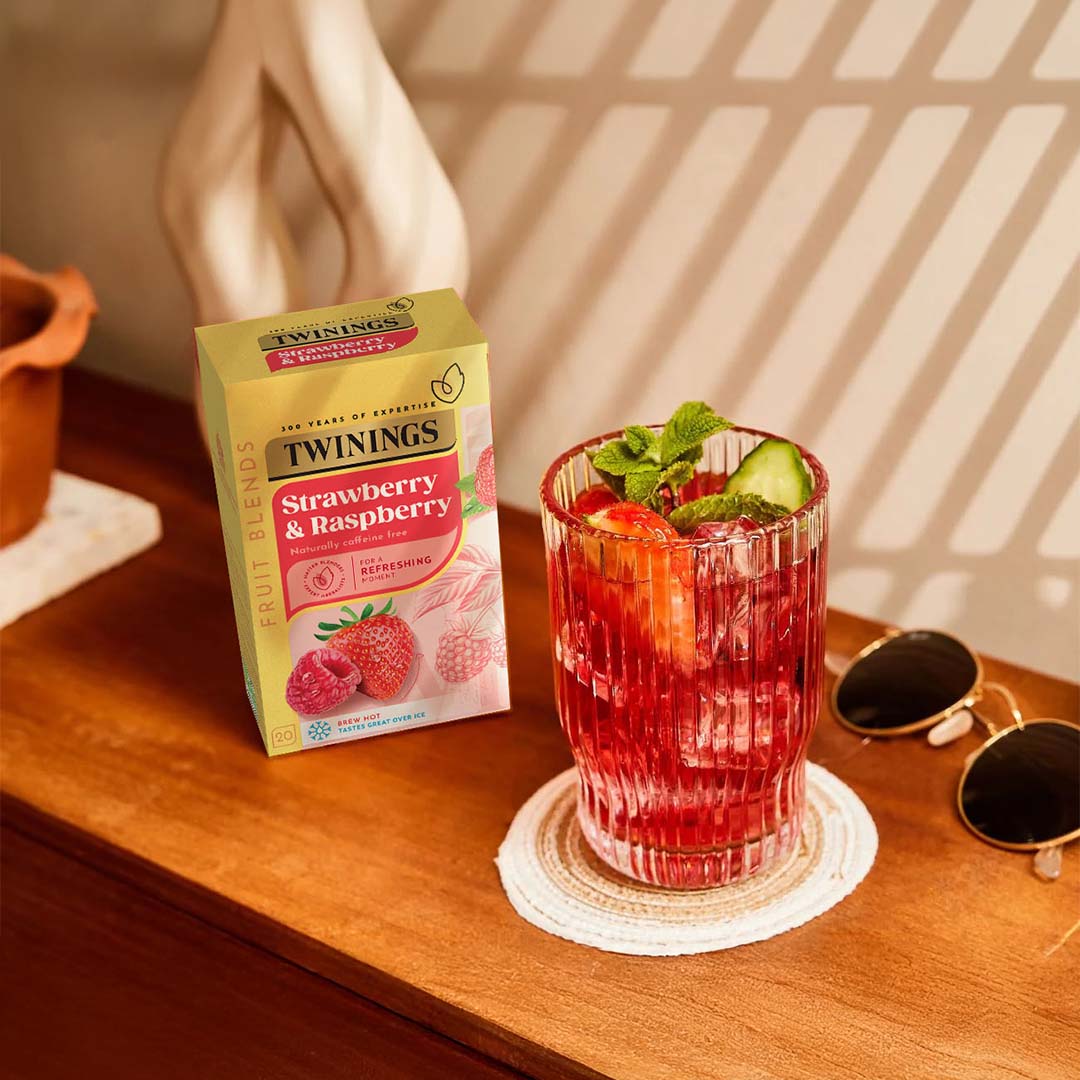
Iced fruit tea offers a simple way to enjoy a refreshing drink without adding sugar. Brew the tea according to the recommended time, let it cool, and pour it over ice. Chilling brings out a crisp, refreshing character that works especially well with fruity blends.
For extra flavor, add fresh ingredients such as:
- Citrus: Lemon or orange slices can add a bright, tangy note.
- Fresh fruit: Apple or peach slices pair naturally with fruity tea blends.
- Berry flavors: Fresh berries can enhance the fruity taste without added sugar.
Choosing Fruit Flavored Tea Bags
The ingredients determine much of the final taste, so reading the packaging can help when selecting a blend. Some products contain real dried fruit, while others rely primarily on natural or artificial flavorings.
Check the Ingredient List
Ingredient details can help you understand what contributes to the tea’s flavor and sweetness. Look for combinations that match your preferences and avoid added sweeteners if you want an unsweetened drink.
Here are a few common combinations that can influence the flavor and sweetness of the tea:
- Berry blends: These may combine berry flavoring with ingredients such as hibiscus and rose hips for a deeper taste.
- Peach blends: Herbs or flowers may be included to create a more layered flavor profile.
- Unsweetened options: Choose blends without added sugar or sweeteners when you want the fruit flavors to stand on their own.
Look at the Tea Base
Different tea bases can change the overall flavor and caffeine content. A fruit-flavored tea bag may use an herbal base or traditional tea leaves, so checking the base can help you choose a flavor that suits the way you want to enjoy it.
The base can influence the final cup in several ways:
- Herbal blends: These are often naturally caffeine-free and can work well when you want a lighter fruit-focused drink.
- Black, green, or white tea: Traditional tea bases generally contain caffeine while adding their own distinct flavors.
- Caffeine-free options: An herbal fruit blend can provide a fruity drink without the caffeine found in traditional tea leaves.
Hot or Cold: Finding the Right Serving Style
Both hot and cold serving styles can bring out the flavor of fruit tea without adding sugar. The better choice depends on the blend and the type of flavor you want to highlight. Hot tea often highlights delicate herbal, floral, and fruity aromas, while chilled tea can make brighter fruit notes feel more refreshing.
Warm and Comforting
Hot tea can bring out subtle flavors and aromas and works well when you want a fuller, more aromatic cup.
Crisp and Refreshing
Cold tea feels lighter and more refreshing, particularly with citrus, berry, peach, or tropical blends. Serving it over ice can make the fruity flavors feel brighter. Fruit-flavored tea bags work well for both styles, so you can choose based on the flavor profile and your preference.
FAQs
Do Fruit Flavored Tea Bags Have Sugar?
Some fruit tea products contain added sugar or sweeteners, while many are naturally sugar-free. Always read the ingredient list and nutrition label to identify added sugars, sweeteners, or other ingredients that may affect the taste.
What Fruit Tea Tastes Sweet Without Sugar?
Apple, peach, mango, strawberry, and berry blends can provide naturally sweet-smelling and fruity flavors without added sugar. Their taste varies depending on the fruit ingredients, flavoring, tea base, and brewing method used.
How Can Fruit Tea Taste Better Without Sugar?
Choose a naturally aromatic blend and follow the recommended steeping time for balanced flavor. You can also serve fruit tea hot or iced and add fresh lemon, orange, berries, or peach for extra flavor.
Bottom Line
Fruit tea does not need added sugar to taste enjoyable. The right blend, careful brewing, fresh fruit, and serving temperature can bring out its natural character. When choosing fruit-flavored tea bags, focus on the ingredients, tea base, and flavor profile rather than expecting sweetness from the sugar itself.
Dakshin offers a selection of teas suited to different flavor preferences, including options that can add variety to an everyday tea routine. Their fruit-based blends can provide bright, aromatic flavors without relying on added sweetness, and they can be enjoyed hot or cold depending on the blend and personal preference. For tea drinkers looking to explore different fruit-forward flavors, choosing the right blend and brewing it carefully can make unsweetened tea a satisfying part of the daily routine.


