










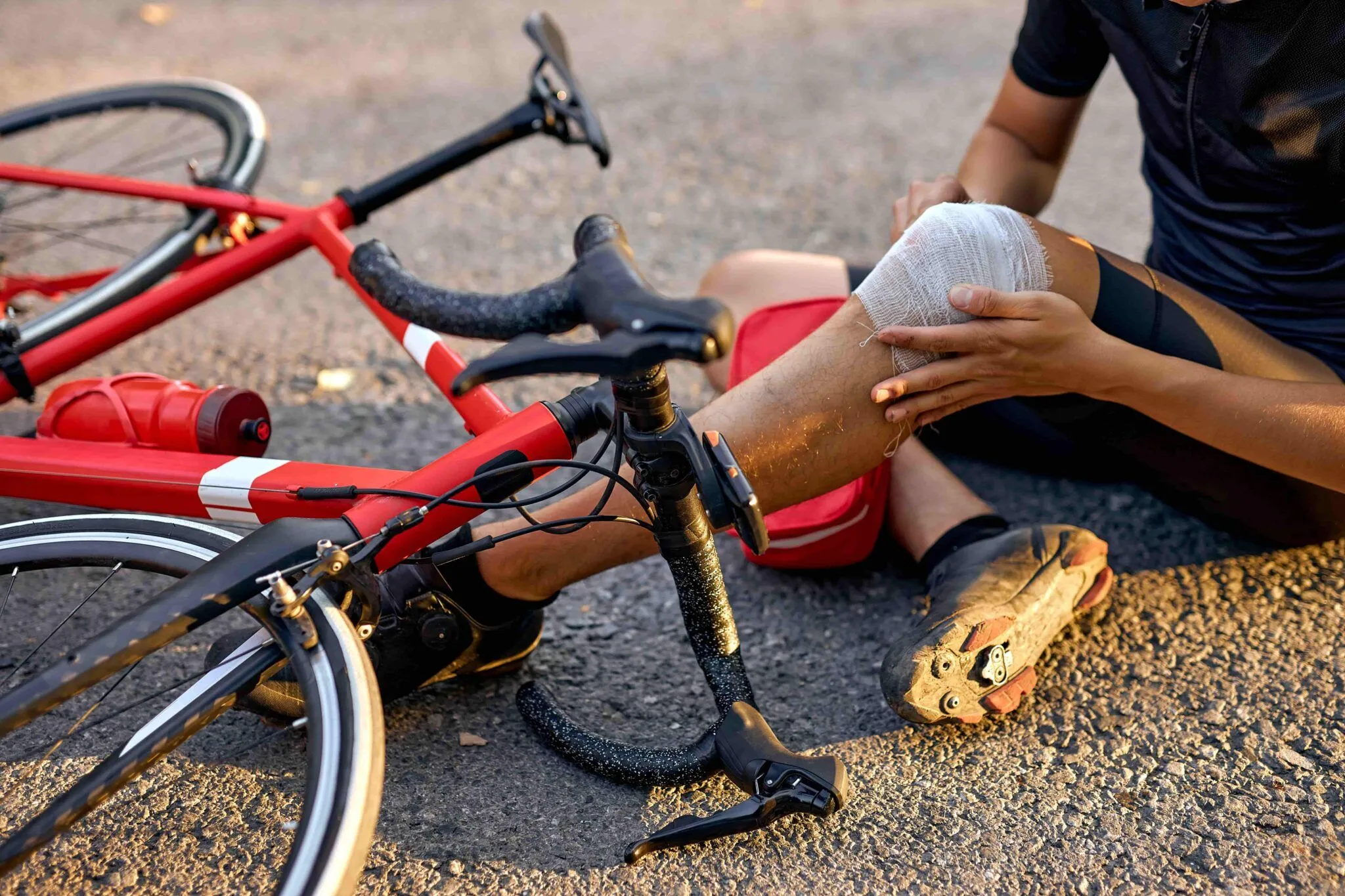
A bicycle crash scene can change quickly. Vehicles move, debris is cleared, traffic resumes, and damaged pavement may later be repaired. Documenting road conditions, bicycle damage, nearby signs, and other visible details can preserve information that would otherwise depend on memory.
The goal isn’t to prove a claim with one photograph. It’s to preserve facts while they still exist.
Record the Road From Several Angles
Photograph the location only when doing so is safe. Images may capture potholes, uneven surfaces, construction areas, lane markings, traffic signals, parked vehicles, obstructions, lighting, or sightlines.
Include both close and wider views. Someone exploring claim evidence resources online may find broad information about disputes, but photographs are most useful when they accurately show the specific scene rather than attempting to tell a predetermined story.
Note the Exact Location
Record the street, intersection, travel direction, nearby landmarks, and approximate crash position. If a roadway defect is involved, measurements or reference objects can sometimes provide scale, though no one should place themselves in moving traffic to obtain them.
Weather and lighting conditions may also matter. Write down observations promptly rather than assuming you’ll remember them later.
Preserve the Bicycle and Other Damaged Property
A damaged bicycle, helmet, clothing, lights, or accessories may contain information about how the collision occurred. Consider photographing damaged items before repair, disposal, or replacement.
People reviewing legal documentation topics may see many approaches to organizing records. A simple method is often enough: keep original photographs, repair estimates, receipts, reports, and relevant communications in date order.
| Item | Possible Information | What to Do |
|---|---|---|
| Road surface | Hazard or condition | Photograph safely |
| Bicycle | Impact damage | Preserve before repair |
| Helmet/clothing | Physical evidence | Store securely |
| Repair estimate | Damage assessment | Keep written copy |
Identify Other Sources of Evidence
Nearby traffic cameras, businesses, residences, transit vehicles, or dashcams may have recorded part of a crash. Footage can be overwritten, so identifying possible sources early may matter even if you cannot obtain the material yourself.
Broader fault-analysis reading can introduce common liability concepts, but determining responsibility for a bicycle crash may require traffic rules, witness testimony, physical evidence, and state-specific legal standards.
Assumptions That Can Weaken the Record
Don’t assume visible bicycle damage perfectly explains how an accident happened. Damage patterns can have several interpretations, and some important injuries may occur without dramatic property damage.
Avoid repairing or discarding key items before deciding whether they need to be documented. Also be cautious about posting detailed accounts publicly, especially while facts, medical effects, or responsibility remain disputed.
When Does Legal Advice Become Important?
Consider obtaining legal guidance when injuries are serious, a driver disputes the events, a dangerous public roadway may be involved, insurance issues are complicated, or evidence may disappear. Claims involving public entities can sometimes follow different procedural rules from ordinary private-party claims.
USA.gov provides information on finding legal aid, including resources that may assist with civil and personal injury matters.
Frequently Asked Questions
Should I repair my bicycle immediately after a crash?
Safety may require repairs before the bicycle is ridden again. Before changing or replacing damaged parts, consider photographing the bicycle thoroughly and keeping estimates, invoices, or replaced components when practical and relevant.
Can poor road conditions be part of a bicycle injury claim?
They can be relevant in some situations, but responsibility depends on who controlled the roadway, the nature of the condition, notice requirements, procedural rules, and state or local law.
What information should I get from a driver?
When circumstances permit, commonly useful information includes the driver’s name, contact details, vehicle information, license plate, and insurance information. Police involvement and local reporting requirements may also apply.
Document Before the Scene Disappears
A bicycle crash may leave several forms of evidence: road conditions, damaged equipment, photographs, witnesses, reports, and medical documentation. Preserving those pieces early creates a more reliable record than trying to reconstruct them later. If responsibility or deadlines are uncertain, a lawyer familiar with the relevant jurisdiction can explain which evidence may matter most.
This article provides general legal information and is not a substitute for advice from a qualified attorney regarding a specific situation.