








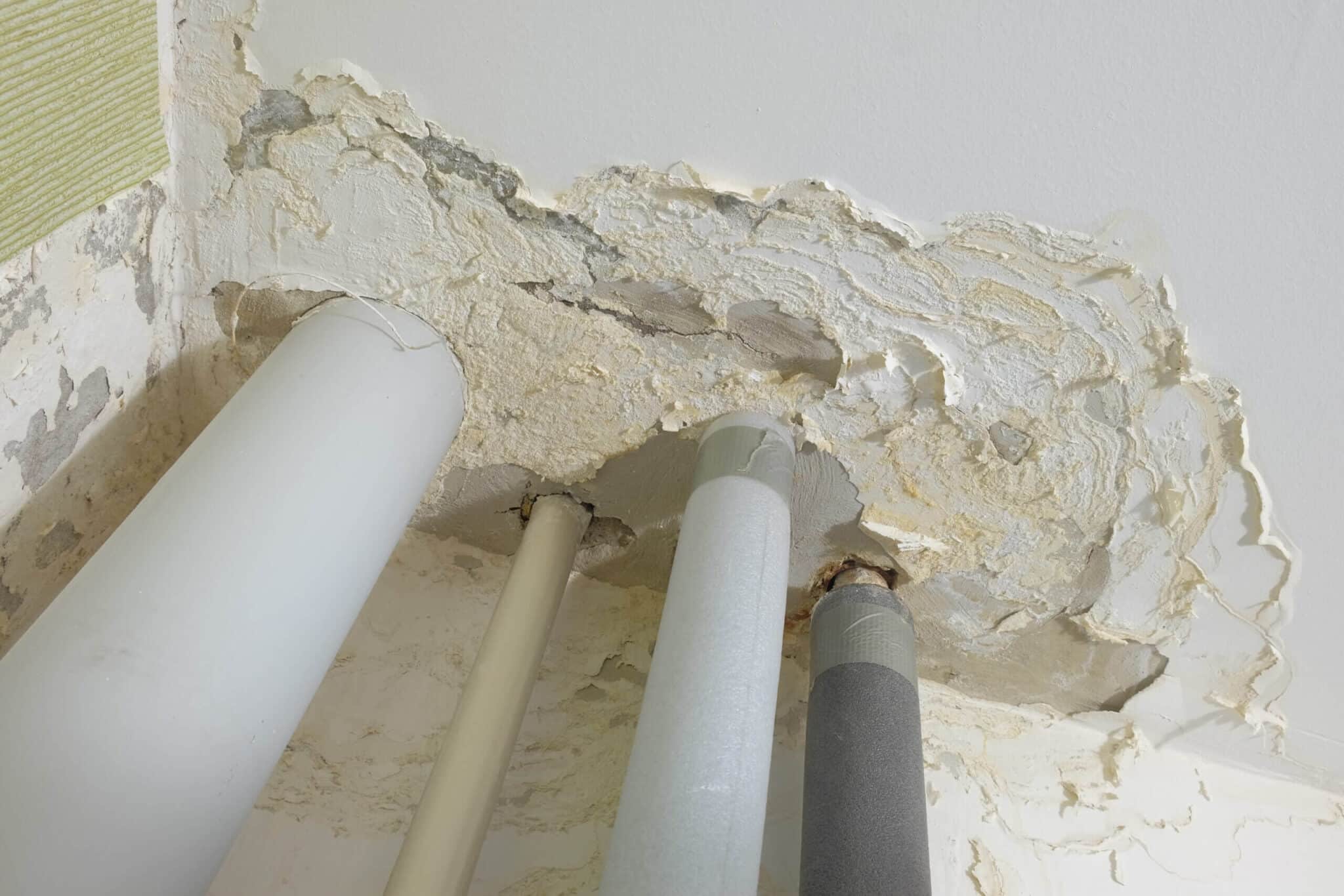
Bathroom pipe leaks can remain unnoticed until paint bubbles, drywall softens, flooring stains, or a musty odor develops. The safest approach is to identify moisture early and stop the water source before opening walls unnecessarily. A small leak can damage materials beyond the exact spot where water becomes visible because moisture often travels along framing.
Watch for Changes Around Fixtures
Check beneath sinks, around toilets, near tub connections, and beside shower plumbing. Damp cabinet floors, swelling trim, peeling finishes, or recurring discoloration can provide early clues.
Bathroom updates inspired by home design references should never cover unexplained moisture. Fresh paint or new trim may temporarily hide staining while the leak continues behind the surface.
Compare Moisture With Fixture Use
Pay attention to when the wet area appears. Water showing up after every shower suggests a different problem from moisture that continues when no fixture is running.
A plumbing supply leak may remain active continuously, while drain leaks tend to appear when water is discharged. Splashing and failed caulk can imitate plumbing leaks around tubs and showers.
Inspect Accessible Connections Before Opening Walls
Look at supply lines, shutoff valves, faucet connections, toilet connections, and exposed drain fittings. Use a dry cloth or paper towel to detect small amounts of moisture around accessible joints.
Organized bathroom maintenance routines make these checks easier because stored products aren’t hiding valves and plumbing. Don’t overtighten fittings simply because they appear damp; excessive force can damage connections.
| Moisture Location | Possible Source | Useful Observation |
|---|---|---|
| Under sink | Supply or drain | Check during faucet use |
| Near toilet | Supply or seal | Watch after flushing |
| Shower wall | Valve or enclosure | Compare wet/dry periods |
| Ceiling below bath | Drain or supply | Track fixture timing |
Stop Active Water Before Damage Spreads
If an accessible fixture connection is actively leaking, shut off its local supply valve when possible. If the source cannot be isolated and water continues entering the building, the main water supply may need to be shut off.
Once the flow is controlled, begin drying affected materials. Decorative room styling projects should wait until the source is fixed and the area is adequately dry.
Be Careful With Hidden Electrical Components
Water inside walls or ceilings may reach wiring, outlets, switches, fans, or light fixtures. Do not cut into a wet wall or ceiling when electrical components may be present unless the area has been made safe.
Water dripping through a light fixture or electrical fitting deserves urgent professional attention. Keep people away from the affected area and use qualified help.
Why Visible Stains Can Be Misleading
The first stain isn’t always directly beneath the leak. Water can follow pipes, framing, flooring seams, or drywall before appearing several feet from its starting point.
Replacing stained drywall without locating the source is a common mistake. So is assuming every shower-side stain comes from a hidden pipe. Failed seals, overflowing fixtures, splashing, and damaged grout or enclosure joints can create similar moisture patterns.
Frequently Asked Questions
Can a small bathroom leak cause major damage?
Yes. A slow leak may repeatedly wet drywall, wood, flooring, or insulation without creating a dramatic puddle, allowing damage to accumulate unnoticed.
How can I tell whether a leak is from a drain?
Drain leaks commonly appear while or shortly after a fixture empties. Observing whether moisture changes during sink, shower, tub, or toilet use can help narrow the source.
Should I open the wall to find a bathroom leak?
Not as the first step. Check accessible plumbing and usage patterns first. Wall opening may be appropriate when evidence points to concealed plumbing, preferably after considering electrical lines and other hidden systems.
Control Water Before Repairing Finishes
Treat moisture as a source-finding problem rather than a cosmetic one. Determine when it appears, inspect accessible fittings, isolate active water, and dry the surrounding area. If the leak is concealed, persistent, near electrical equipment, or damaging structural materials, professional diagnosis can prevent unnecessary demolition and repeated repairs.