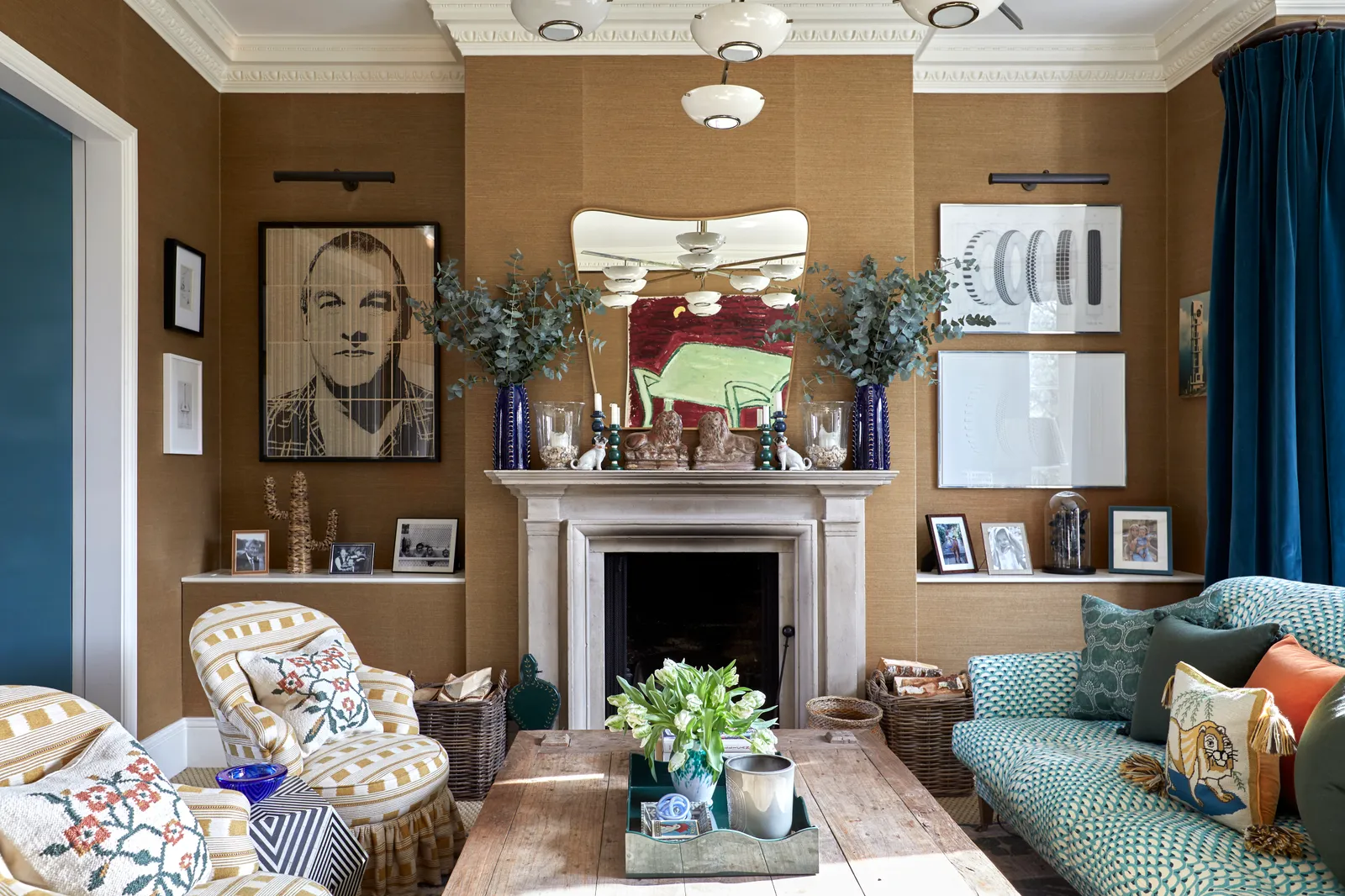









Natural light is one of the most valuable features in any home. It helps create an open, inviting atmosphere and brings a sense of calm to indoor spaces. But as many homeowners in Perryville know, too much sun exposure through windows can also lead to problems like heat buildup, fading interiors, and higher energy bills. This is where home window tinting comes into play at Cloud 9 Tint Studio and Auto Spa.
In this article, we take a close look at what window tinting offers for residential spaces, how it compares to other options, and why more homeowners are choosing this solution to address common issues without sacrificing comfort or style.
The Growing Appeal of Residential Window Tinting
Window tinting has long been associated with cars, but it’s quickly becoming a go-to choice for homeowners looking to improve both the comfort and performance of their living spaces. Whether you’re dealing with strong afternoon sun, concerns about privacy, or the wear and tear caused by UV exposure, tinting provides a reliable solution without needing to alter the appearance of your home dramatically.
Here in Perryville, weather changes can be intense. Summers often bring high humidity and strong sunlight, while winters can cause temperature fluctuations that strain heating systems. Window films help moderate these extremes by controlling solar heat gain and loss through your windows.
How It Works
Residential window films are thin layers of specialized polyester that are professionally applied to the interior surface of glass. They come in different shades, finishes, and performance ratings, allowing you to choose a film that fits your home’s layout and specific concerns.
Some films are nearly invisible, offering clear protection without changing the look of your windows. Others are tinted or reflective, adding privacy or a modern appearance. Regardless of the finish, most window films are designed to:
- Block a significant portion of UV rays
- Reduce solar heat
- Minimize glare
- Improve indoor temperature consistency
Because they’re applied from the inside, installation is quick and doesn’t require removing any glass or altering the structure of your home.
Key Benefits for Homeowners
1. Energy Efficiency
By reflecting or absorbing solar heat, tinted windows can help keep indoor temperatures more stable. That means less work for your air conditioning system in the summer and improved comfort throughout the day. In many cases, this can help lower monthly utility costs over time.
2. UV Protection
Ultraviolet light is a major cause of fading in hardwood floors, carpets, furniture, and artwork. Quality window films can block up to 99% of harmful UV rays, helping protect your belongings and maintain the original look of your interior décor.
3. Glare Reduction
Sunlight pouring through your windows is pleasant until it creates glare on screens, tables, or workspaces. Window tint helps cut down on that glare, making it easier to enjoy your home’s natural light without constantly adjusting blinds or curtains.
4. Improved Privacy
Some films are designed with privacy in mind, especially for street-facing windows or rooms that receive frequent foot traffic. You can still enjoy daylight while making it harder for others to see inside, which is especially useful for bathrooms, home offices, or nurseries.
5. Safety and Security
In the event of broken glass, whether from impact, storms, or accidents, window films can help hold shattered pieces together. This doesn’t make the window unbreakable, but it can reduce the chance of injury or property damage from scattered shards.
Comparing Window Tinting to Alternatives
Homeowners often consider curtains, blinds, or specialty glass as alternatives to window tinting. While these can be useful in certain cases, they come with tradeoffs:
- Blinds and curtains block light entirely, which defeats the purpose of having windows in the first place.
- Low-E or thermal glass requires window replacement and typically comes at a higher upfront cost.
- Awnings and exterior shading may not suit every home’s design and may not fully address heat gain through exposed glass.
Tinting, by contrast, works with your existing windows, letting light in while helping filter out the parts of the spectrum that cause problems.
Where Tinting Makes the Most Difference
This can be applied to almost any window, but it’s especially effective in the following areas:
- Large south-facing windows that receive direct sunlight throughout the day
- Living rooms or sunrooms where glare affects relaxation or TV viewing
- Kitchens or dining rooms where consistent temperatures improve comfort
- Entryways with decorative glass that benefit from both protection and privacy
- Second-story bedrooms where added privacy and comfort that are appreciated
Even skylights and specialty windows can be tinted with the right materials and professional installation.
What to Expect from the Process
Professional tint installation begins with a consultation, where the installer evaluates your windows, listens to your concerns, and recommends appropriate film types. Measurements are taken, and the film is custom-cut to fit each pane.
Installation is usually completed in a day or less, depending on how many windows are being treated. There’s minimal disruption, no construction, no dust, and no permanent changes to your windows.
After installation, the film takes a short time to cure. During this period, it’s important to follow any care instructions provided, which may include avoiding window cleaning or opening windows for a few days.
Maintenance and Durability
Once installed, window films require very little maintenance. You can clean them using standard glass cleaners (without ammonia) and soft cloths. Most residential films are built to last, with warranties ranging from 10 to 15 years, depending on the product and conditions.
Films are also designed to resist discoloration, bubbling, and peeling when installed correctly. In most cases, homeowners find that the appearance of their windows stays consistent over the life of the film.
Choosing a Professional Installer
The quality of the installation plays a major role in the results. Experience, attention to detail, and product knowledge all matter when applying residential films. Poor installation can result in creases, gaps, or early film failure.
If you’re in the Perryville area and considering window tinting for your home, it is a local resource worth knowing. Located at 111 South West St, Perryville, MO 63775, they offer professional residential tinting services designed to improve comfort, privacy, and protection.
Learn more by visiting cloud9tintstudioandautospa.com.
Conclusion
For homeowners seeking a smarter way to manage indoor comfort and protect their homes from sun-related wear, home window tinting provides a practical and effective solution. It works quietly in the background, reducing heat, protecting interiors, and improving privacy without changing how you live. Whether you’re looking to improve one room or your entire home, a well-installed window film can provide long-term benefits that are easy to appreciate, season after season. For those in the Perryville area, Cloud 9 Tint Studio and Auto Spa is a trusted local provider ready to help you get started with the right tint for your home.