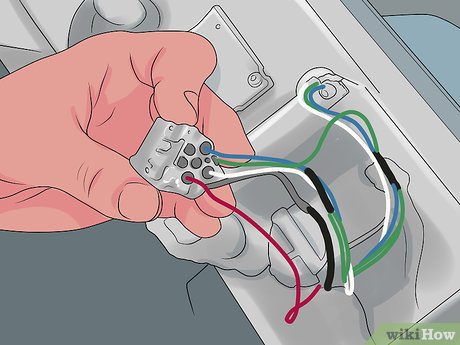










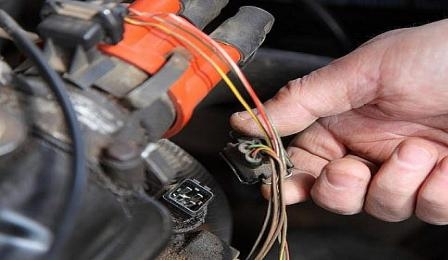
Corrosion at an automotive electrical connection can interrupt power without breaking the wire completely. Moisture, road contamination, battery vapors, and damaged seals can create resistance that weakens lights, sensors, starters, charging circuits, and other electrical systems.
Finding and repairing the affected connection can restore normal voltage and eliminate faults that seem unpredictable.
How Corrosion Interrupts Electrical Flow
Electrical circuits depend on clean metal-to-metal contact. Corrosion creates a layer between conductive surfaces, increasing resistance and reducing the current available to the component.
General automotive upkeep reading often treats electrical faults as component failures, yet connectors and grounds deserve inspection before expensive electronic parts are condemned.
Grounds Are Easy to Overlook
Ground connections complete many vehicle circuits by connecting wiring to the body, chassis, or engine. Corrosion at a ground point can affect several systems at once.
That shared connection explains why unrelated warning lights or electrical symptoms may sometimes appear together.
Where Corrosion Commonly Develops
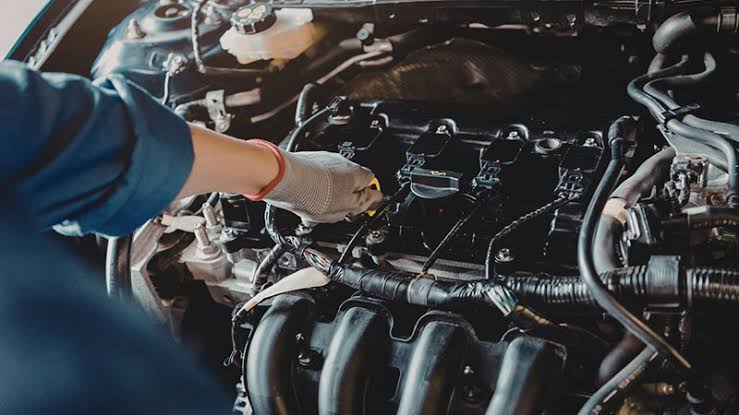
Battery terminals are obvious inspection points, but corrosion can also form inside connectors near wheel wells, lighting assemblies, engine compartments, and underbody wiring. Water intrusion is especially damaging when connector seals have hardened or been disturbed.
Drivers comparing urban vehicle care information may also encounter issues linked to moisture, road salt, and frequent short-distance driving environments.
| Location | Possible Symptom | Inspection Clue |
|---|---|---|
| Battery terminal | Slow starting | Visible deposits |
| Chassis ground | Multiple faults | Rust at fastener |
| Lamp connector | Flickering light | Discolored pins |
| Sensor plug | Warning light | Moisture or residue |
Why Voltage-Drop Testing Helps
A corroded connection may still pass enough current for a basic continuity test. Under load, however, resistance can cause a meaningful voltage loss.
Voltage-drop testing checks what happens while the circuit is working. That can expose weak connections that appear normal when the circuit is switched off.
Information about driving refinement ideas may emphasize comfort and vehicle feel, but stable electrical power also supports modern steering systems, climate controls, lighting, and electronic suspension features.
Cleaning and Repair Require the Right Approach
Minor surface corrosion may sometimes be cleaned after power is safely disconnected. Heavily damaged terminals, burned pins, broken seals, or weakened wires usually need proper repair or replacement rather than repeated cleaning.
Connections should also be protected from the condition that caused the problem. If water is entering through a damaged connector seal, cleaning alone will provide only temporary relief.
Where Electrical Troubleshooting Goes Wrong
Replacing a sensor simply because a fault code names its circuit is a common error. The code may indicate abnormal voltage rather than prove that the sensor itself has failed.
Another mistake is ignoring signs of heat. Darkened plastic, melted connectors, or discolored terminals can indicate excessive resistance or current and deserve closer inspection before the circuit is placed back into service.
Frequently Asked Questions
Can corrosion cause intermittent electrical problems?
Yes. Vibration, temperature, and moisture can change the resistance at a damaged connection, so a circuit may work normally at one moment and fail later.
Is electrical contact cleaner enough to remove corrosion?
It may help with light contamination, but severe corrosion can damage plating, terminals, seals, or wire strands. Damaged parts may need replacement to restore dependable contact.
Can a bad ground cause warning lights?
Yes. A poor ground can disturb voltage in one or several circuits, potentially triggering warning lights or abnormal component behavior. Testing is needed to identify the actual connection involved.
Repair the Circuit, Not Only the Symptom
Electrical corrosion becomes expensive when it sends troubleshooting in the wrong direction. Inspect connectors, grounds, wiring, and terminal condition whenever voltage seems unstable or electrical faults appear intermittently. Correcting the damaged connection and stopping future moisture entry can provide a more lasting repair than replacing components based on symptoms alone.