








A failed tail light may be caused by something as simple as a burned-out bulb, but bulb replacement isn’t the end of the diagnosis when the light remains dark. Sockets, grounds, fuses, connectors, and damaged rear-body wiring can all interrupt the circuit. A systematic check helps restore the lamp without replacing unrelated electrical parts.
Identify Exactly Which Light Has Failed
Turn on the parking lights and compare both sides of the vehicle. Then check brake lights, turn signals, and reverse lights separately because one rear lamp assembly may contain several different circuits.
If multiple functions fail on the same side, a shared ground or connector becomes more suspicious. If one individual filament or LED function fails, the problem may be much more localized.
Automotive owners browsing engine and vehicle topics may see many overlapping electrical symptoms, so separating each lighting function before testing keeps the diagnosis focused.
Check the Bulb Before Going Deeper
On vehicles with replaceable bulbs, remove the suspect bulb according to the owner’s manual. Look for a broken filament, cloudy glass, dark deposits, corrosion on the base, or distorted contacts.
Install the correct replacement type. Bulbs that physically fit aren’t always electrically interchangeable, and an incorrect wattage can create heat or operating problems.
Inspect the Socket at the Same Time
Don’t reinstall a new bulb into a visibly damaged socket. Corrosion, looseness, melted plastic, or flattened contacts can prevent a fresh bulb from receiving dependable power.
| Rear-Light Problem | First Check | Next Area |
|---|---|---|
| One bulb dark | Bulb | Socket |
| Several lamps dark | Fuse | Ground |
| Lamp flickers | Connector | Wiring |
| Bulbs fail repeatedly | Socket and voltage | Circuit condition |
Check Fuses and Shared Circuits
If several tail lamps are out, inspect the appropriate fuse. Use the owner’s manual or fuse-box legend to identify the correct circuit rather than removing unrelated fuses randomly.
A replacement fuse that immediately fails indicates another problem. Finding practical automotive troubleshooting material can help explain basic circuit behavior, but repeated fuse failure should be traced rather than masked with a larger fuse.
Some modern vehicles also control exterior lighting electronically, which may require scan-tool diagnosis when conventional checks don’t reveal the fault.
Inspect Grounds and Rear Harness Connections
Ground faults can create strange rear-light behavior, especially when several bulbs share one ground point. Symptoms may include dim lamps, lights that change brightness when the brake pedal is pressed, or one circuit affecting another.
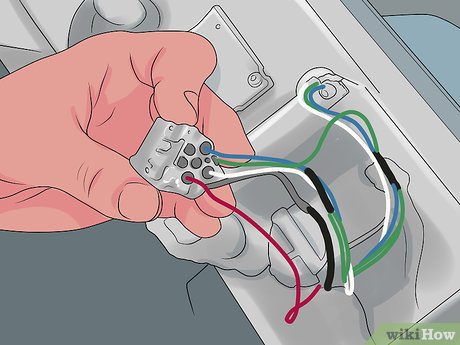
Inspect accessible ground connections for looseness or corrosion. Trailer wiring deserves attention too because poorly installed taps and connectors can create problems in the factory harness.
People using car system guides for background reading should still compare what they find with model-specific diagrams before cutting or splicing wires.
Mistakes That Keep Tail Lights From Staying Fixed
Assuming every dark lamp has a burned-out bulb is the biggest shortcut. A corroded socket may make a new bulb work briefly before the failure returns.
Don’t twist wires together and cover them with ordinary tape as a permanent repair. Exterior wiring experiences vibration, temperature changes, and moisture, so weak splices are likely to corrode or loosen.
Another mistake is forgetting to test the lights after reinstalling trim. Confirm every rear-light function before finishing the job.
Frequently Asked Questions
Why does my tail light work but my brake light doesn’t?
Many assemblies use separate filaments, bulbs, LEDs, or electrical circuits for tail and brake functions. A failure in one circuit can occur while the other continues working normally.
Can trailer wiring cause tail light problems?
Yes. Incorrect splices, damaged trailer connectors, corrosion, or overloaded circuits can interfere with factory rear lighting. Inspect trailer wiring when problems begin after installation or when symptoms affect several rear lamps.
Why does a new tail light bulb keep failing?
Possible causes include excessive vibration, socket heat, poor electrical contact, moisture, incorrect bulb type, or abnormal circuit conditions. Inspect the socket and surrounding assembly instead of continuing to replace bulbs.
Restore the Whole Circuit, Not Only the Bulb
Start with the bulb because it’s accessible, but keep testing when replacement doesn’t restore normal operation. A careful check of the socket, fuse, ground, connectors, and rear harness can expose the actual fault and help ensure the repaired tail light stays reliable after you put the vehicle back on the road.