









A loud ticking noise from an engine can be harmless in some situations and a warning of developing wear in others. The sound’s speed, temperature pattern, location, and relationship to engine rpm all matter. A new or increasingly loud tick deserves inspection, especially when it appears with low oil, warning lights, rough running, or reduced performance.
First Determine Where the Tick Is Coming From
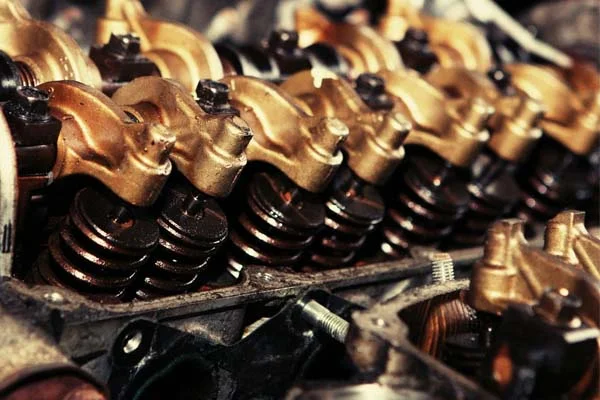
Open the hood only in a safe location and listen without placing hands, clothing, or tools near moving components. A ticking sound from the top of the engine may involve valve-train components, while sounds near the front could come from accessories, pulleys, or belt-driven equipment.
People consulting automotive troubleshooting material may see many noises described with similar language. Location and operating conditions are more useful than the word “tick” alone.
See Whether Engine Speed Changes the Sound
A mechanical engine tick often becomes faster as rpm rises. Accessory noises may also follow rpm, which is why careful isolation matters.
A noise that occurs only for a few seconds after a cold start may have a different cause from one that continues after the engine reaches normal operating temperature.
Check Oil Level and Lubrication First
Low engine oil can affect hydraulic lifters, camshaft components, timing-system parts, and other surfaces that depend on reliable lubrication. Check the dipstick according to the vehicle manufacturer’s procedure before assuming the sound is harmless.
Broader ignition system reading can help distinguish combustion-related sounds from mechanical ones, but lubrication checks should come early when ticking develops. Using the wrong oil viscosity or operating far beyond the service interval may also contribute to certain noise complaints.
| Ticking Pattern | Possible Area | Useful Check |
|---|---|---|
| Top of engine | Valve train | Oil level and pressure |
| Near belt drive | Pulley/accessory | Bearing and belt inspection |
| Sharp rhythmic tick | Exhaust leak | Manifold and gasket check |
| Tick with misfire | Ignition/injector | Scan and cylinder testing |
Rule Out Exhaust and Fuel-System Sounds
A small exhaust manifold leak can produce a sharp tick that sounds surprisingly mechanical, especially when the engine is cold. As metal expands with heat, the sound may become quieter, although this isn’t guaranteed.
Some fuel injectors also create a normal clicking sound during operation. Comparing the noise with previous engine behavior and using engine inspection resources as general background can help owners understand why not every repetitive click indicates internal damage.
Look for Other Symptoms
Oil-pressure warnings, rough running, misfire codes, loss of power, or metallic debris in drained oil increase the importance of prompt inspection. A noise alone provides limited information.
Changes that appear together are often more useful diagnostically than the sound by itself.
Why Guessing From Sound Alone Can Mislead You
Online descriptions frequently label almost any rapid engine noise as lifter tick, injector noise, piston slap, or timing-chain trouble. Those labels can push owners toward expensive repairs without proof.
Engines contain many components moving at similar frequencies, and sound travels through metal. A noise heard near the valve cover may originate elsewhere. Inspection, a mechanic’s stethoscope, scan data, oil-pressure testing, and other targeted checks can narrow the cause much more reliably.
Frequently Asked Questions
Is a ticking engine always serious?
No. Some injectors and mechanical components produce normal operating noise. A new, louder, or changing tick deserves attention, particularly when accompanied by low oil, poor performance, warning lights, or other unusual symptoms.
Can low oil make an engine tick?
Yes. Low oil can interfere with lubrication of valve-train and other engine components. Check the level promptly and investigate any leak or excessive consumption that may have allowed the oil level to fall.
Why does engine ticking get louder when accelerating?
Many engine and accessory components move faster as rpm rises, so their noise frequency and intensity can increase. A ticking sound that follows rpm should be traced carefully to determine whether it is mechanical, exhaust-related, or normal injector operation.
Investigate New Noises While the Clues Are Clear
A loud ticking sound shouldn’t automatically trigger panic or a major repair. Start with the oil level, identify where the sound is strongest, and note whether temperature or rpm changes it. Early inspection gives you the best chance of correcting a small lubrication, exhaust, accessory, or valve-train issue before additional wear develops.