









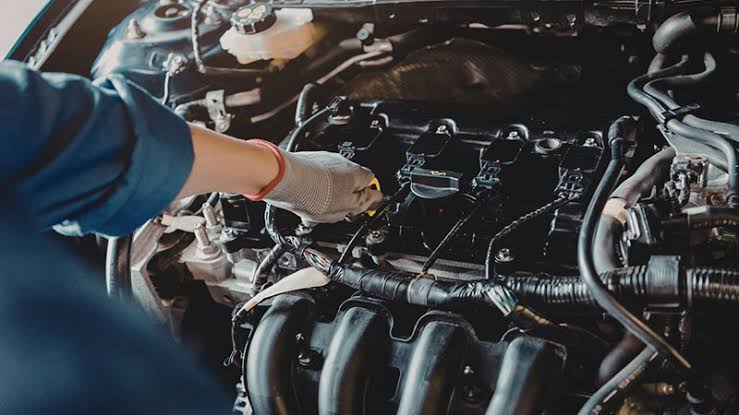
An engine depends on adequate cylinder compression to burn the air-fuel mixture effectively. Weak engine compression can contribute to rough operation, reduced power, difficult starting, misfires, and declining efficiency. Finding the reason early matters because compression loss is usually a symptom of a mechanical sealing problem rather than a simple tuning issue.
Testing helps identify whether one cylinder or several cylinders are affected.
How Compression Supports Combustion
During the compression stroke, the piston moves upward while the valves remain closed. The trapped mixture is compressed before combustion occurs.
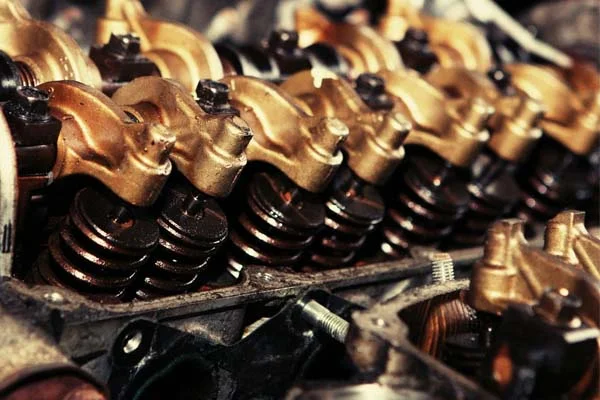
Problems involving piston rings, valves, cylinder walls, or the head gasket can allow pressure to escape. People comparing mechanical issues through broader axle and drivetrain topics should remember that poor acceleration isn’t always caused by the drivetrain itself; weak engine output can create a similar driving complaint.
Compression Should Be Viewed as a Pattern
A single reading without context isn’t especially useful. Technicians normally consider how cylinder readings compare with one another and whether additional testing points toward a particular leakage path.
Engine specifications vary, so the correct service information for the vehicle remains important.
Symptoms Can Appear Gradually
Compression loss doesn’t always cause immediate failure. A driver may first notice slower acceleration, uneven idle, increased fuel use, or an occasional misfire.
Owners looking through workshop troubleshooting references may encounter many overlapping symptoms. That’s why compression testing becomes valuable after simpler ignition and fuel causes have been considered.
A severe problem can eventually make starting difficult, especially when multiple cylinders are affected.
Tests That Help Narrow the Cause
A compression test measures how effectively each cylinder builds pressure during cranking. A leak-down test uses compressed air to help identify where pressure escapes.
| Test or Check | What It Examines | Possible Clue |
|---|---|---|
| Compression test | Cylinder pressure | Weak cylinder |
| Leak-down test | Leakage path | Valve, rings, gasket |
| Spark plug inspection | Combustion condition | Oil or deposits |
| Cooling-system check | Possible gasket issue | Coolant-related signs |
Listening during a leak-down test can provide clues. Air heard through the intake, exhaust, crankcase, or cooling system can point the diagnosis in different directions.
Broader vehicle performance reading can provide useful context, but mechanical testing is needed before deciding that internal engine work is necessary.
Repair Depends on Where Pressure Escapes
A burned or poorly sealing valve requires a different repair from worn piston rings. A head-gasket problem creates another repair path entirely.
Don’t Replace Unrelated Parts First
Misfires caused by weak compression won’t necessarily disappear after replacing spark plugs, ignition coils, or injectors. Those parts should be tested when appropriate, but mechanical faults need mechanical diagnosis.
Repeatedly replacing easy-access components can delay the actual repair while increasing cost.
Where Compression Diagnosis Often Goes Wrong
One common mistake is treating every low reading as proof that the engine needs complete rebuilding. Test conditions, battery cranking speed, gauge setup, valve timing, and testing procedure can influence results.
The opposite mistake is ignoring a consistently weak cylinder because the vehicle still drives. Continued operation may allow the underlying mechanical problem to worsen. Confirm suspicious readings with proper testing before deciding how extensive the repair should be.
Frequently Asked Questions
Can low compression cause poor fuel economy?
Yes, weak compression may reduce combustion efficiency and engine performance. The exact effect depends on how severe the problem is and how many cylinders are affected.
Can weak compression be fixed without rebuilding the engine?
Sometimes. The repair depends on the cause. A valve problem, head-gasket fault, timing issue, or piston-ring wear can require very different levels of engine work.
Can a compression test identify the exact failed part?
Usually not by itself. It shows whether a cylinder has difficulty building pressure. A leak-down test and other inspections can help locate the source more accurately.
Test First and Repair the Actual Cause
Weak compression deserves attention because it points toward a mechanical condition that routine tune-up parts may not correct. Confirm the pattern with appropriate testing and determine where pressure is being lost.
Once the cause is known, the repair decision becomes clearer. Early diagnosis can prevent months of replacing unrelated components while engine performance continues to decline.